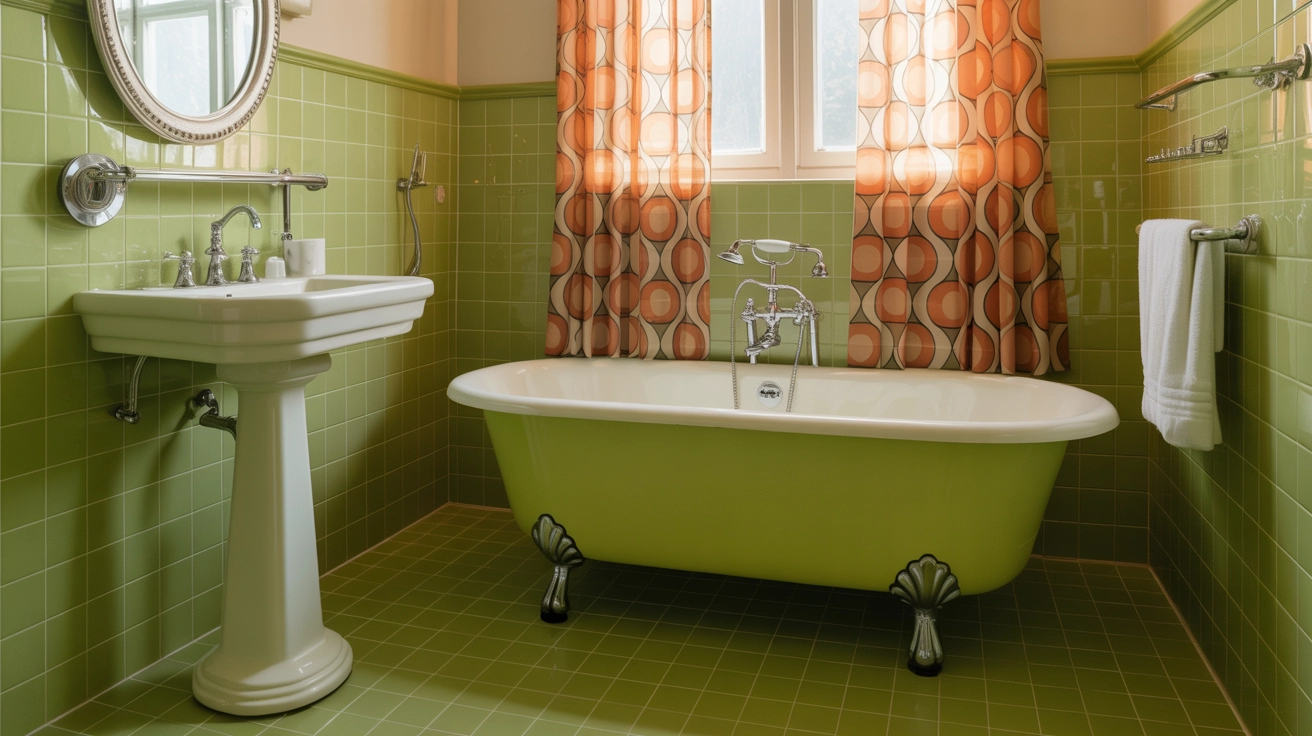
Thinking about bringing some 70s bathroom designs into your home? I get it. The 70s gets a mixed reaction—for every cool sunken tub, there’s a memory of fuzzy toilet seat covers and wall-to-wall shag carpet. But hear me out. The new take on this decade is less about re-creating a time capsule and more about borrowing the best parts: the warm colors, the natural textures, and the fun, free-spirited vibe. It’s a style that’s full of personality.
So, how do you get that groovy bathroom decor without it feeling dated? It’s all about balance. This list is packed with ideas that blend the iconic looks of the 70s with today’s sensibilities. We’ll cover everything from tile and color to fixtures and accessories, giving you practical ways to bring this fun and earthy look into your bathroom. Let’s dive in.
Go Bold with Avocado Green Tile
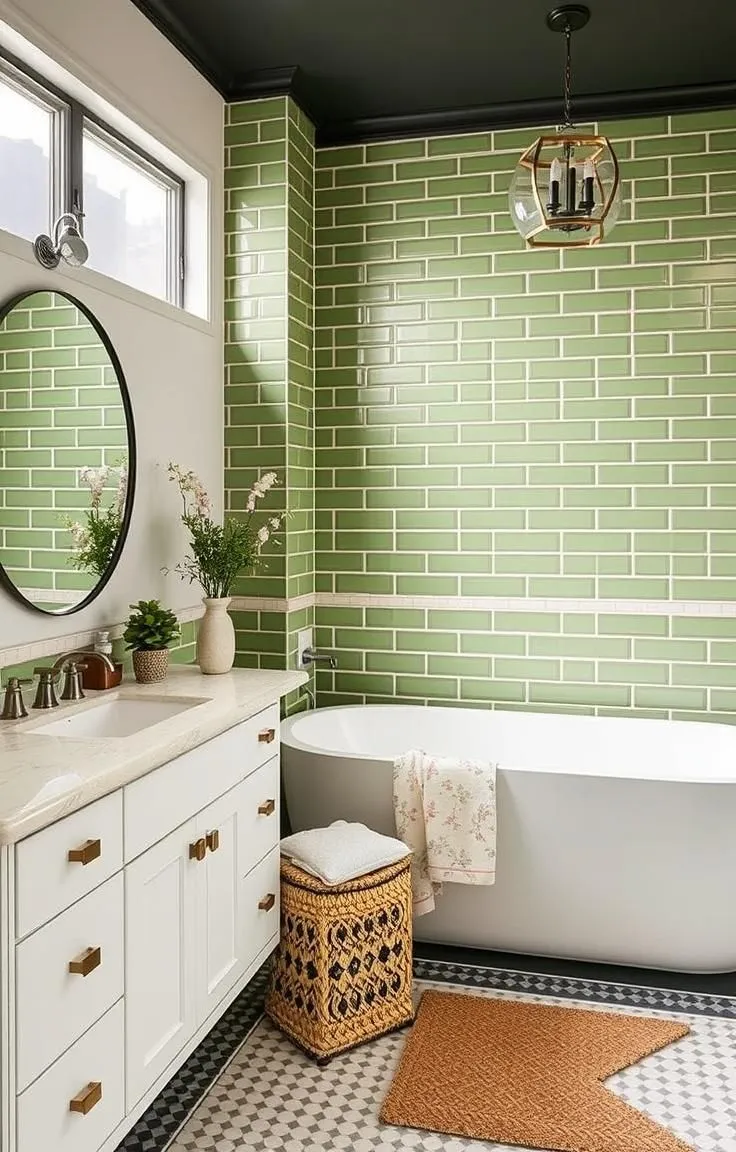
Avocado green was the color of the 70s, and it’s back in a big way. Forget the dull, flat version you might be picturing. Today’s avocado is richer, more organic, and feels incredibly grounded. It connects your space to nature.
The key is to use it strategically. Instead of a full matching suite, pick one place to make a statement. A shower wall tiled with glossy, deep green ceramic tile looks amazing. Look at Fireclay Tile’s “Peacock” color for a perfect example. Pair it with warm wood tones and brushed brass fixtures to keep the look modern and fresh.
Warm Up with Harvest Gold Accents
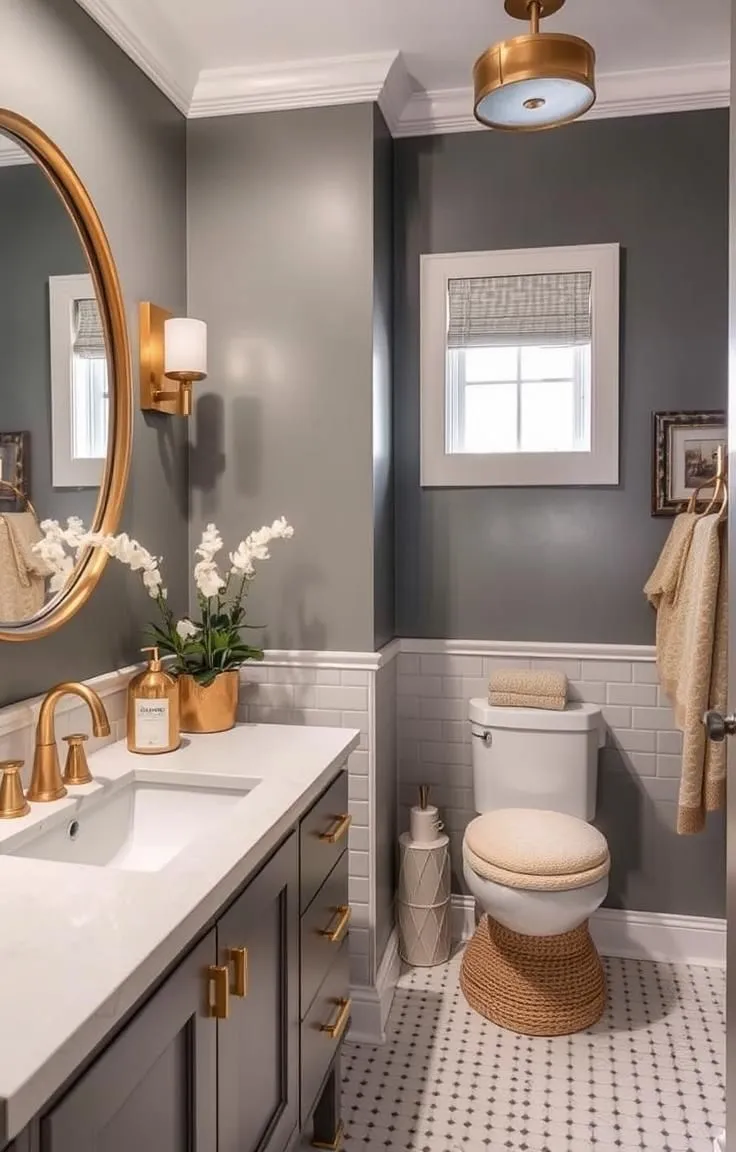
Harvest Gold is another one of those iconic 70s colors that can feel a bit scary. But you don’t need a goldenrod-colored toilet to get the vibe. Think of it as a rich, earthy ochre or mustard tone that adds instant warmth.
This is a great color to introduce with accessories. Start small! A set of plush towels in a deep mustard yellow can completely change the feel of a neutral bathroom. Or, find a cool piece of abstract art that features golds and browns. It’s a low-commitment way to test the waters and add a pop of sunny, retro personality.
Embrace Earthy Brown and Terracotta
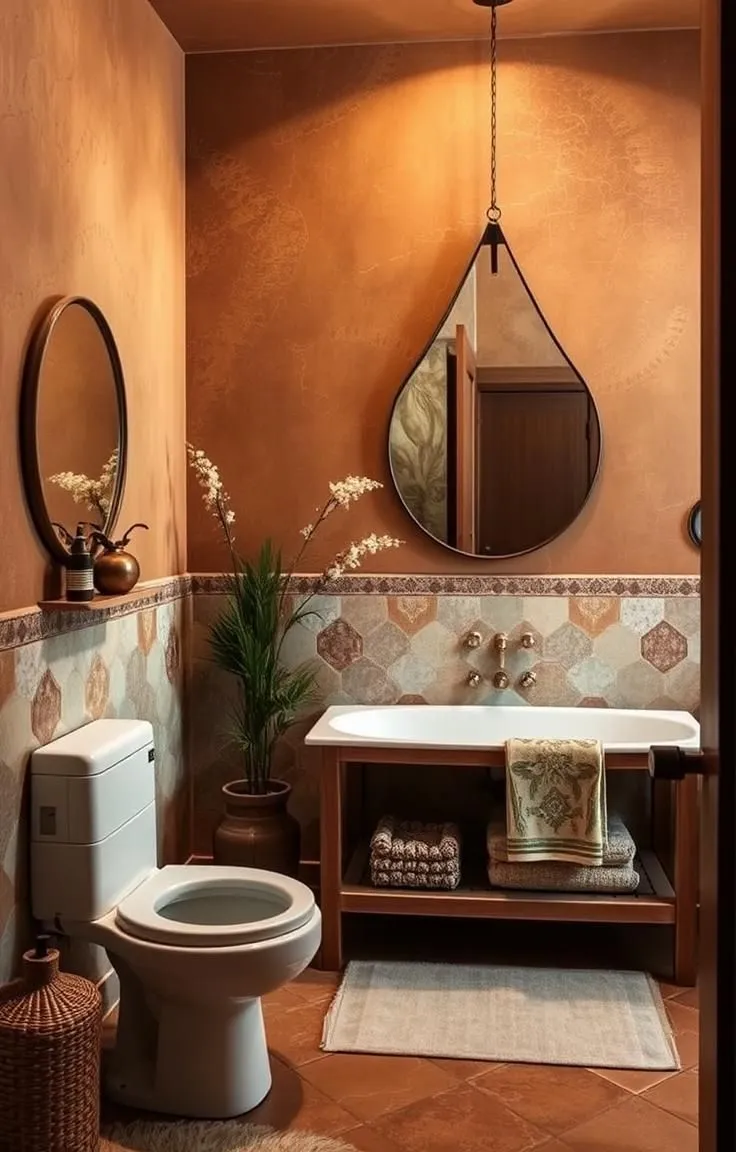
Brown was the foundation of 70s color palettes, from chocolate to rust and terracotta. It’s a grounding color that makes a space feel cozy and secure. This is one of the easiest elements of 70s bathroom designs to work into a modern home because earthy tones are so popular right now.
Consider a floor of terracotta hex tiles. They have a beautiful, handmade quality that adds texture and warmth underfoot. Another idea is to paint the vanity a deep, mushroom brown. It acts as a neutral but has way more character than gray or white. It just works.
Feature Funky 70s Tile Patterns
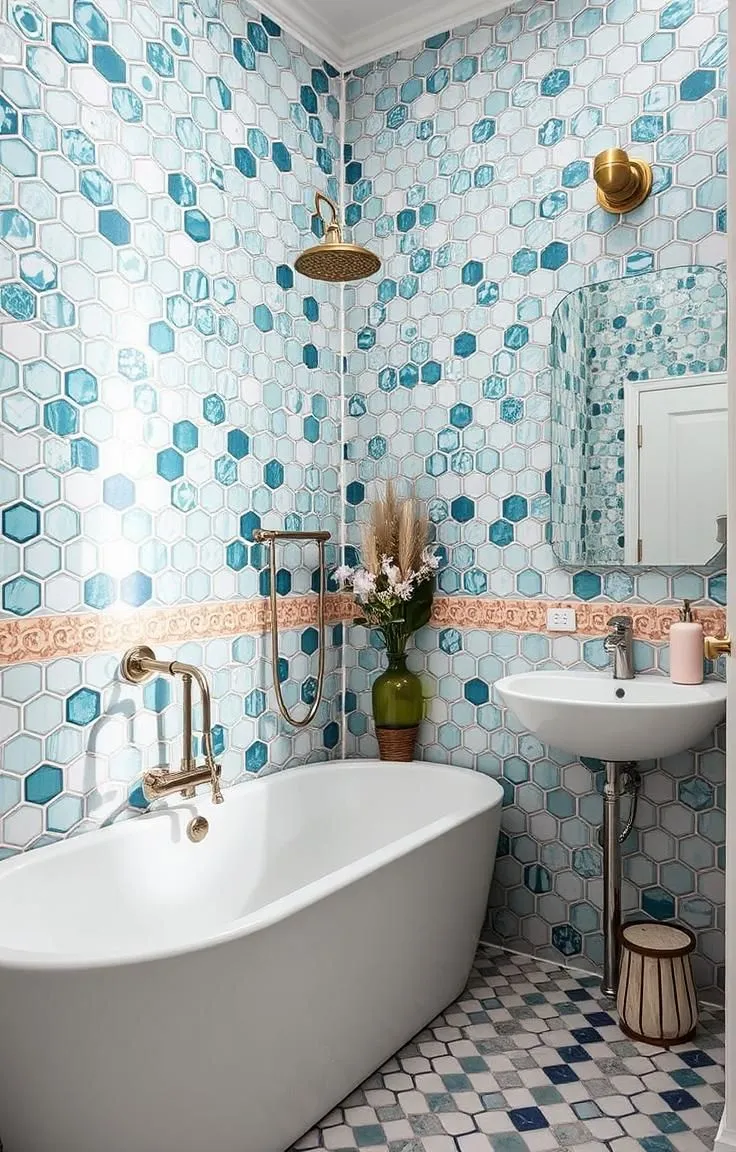
Geometric patterns were everywhere, and the bathroom floor was a prime spot for them. Think repeating squares, circles, and bold interlocking shapes. These patterns add a ton of energy and movement to a room.
You can find amazing modern porcelain tiles that replicate these looks without the upkeep of older materials. Look for tiles with strong geometric designs in earthy colorways—browns, oranges, and greens. A patterned floor is a bold move, but in a small space like a powder room, it can be the only major design element you need.
Hang Some Bold Floral Wallpaper
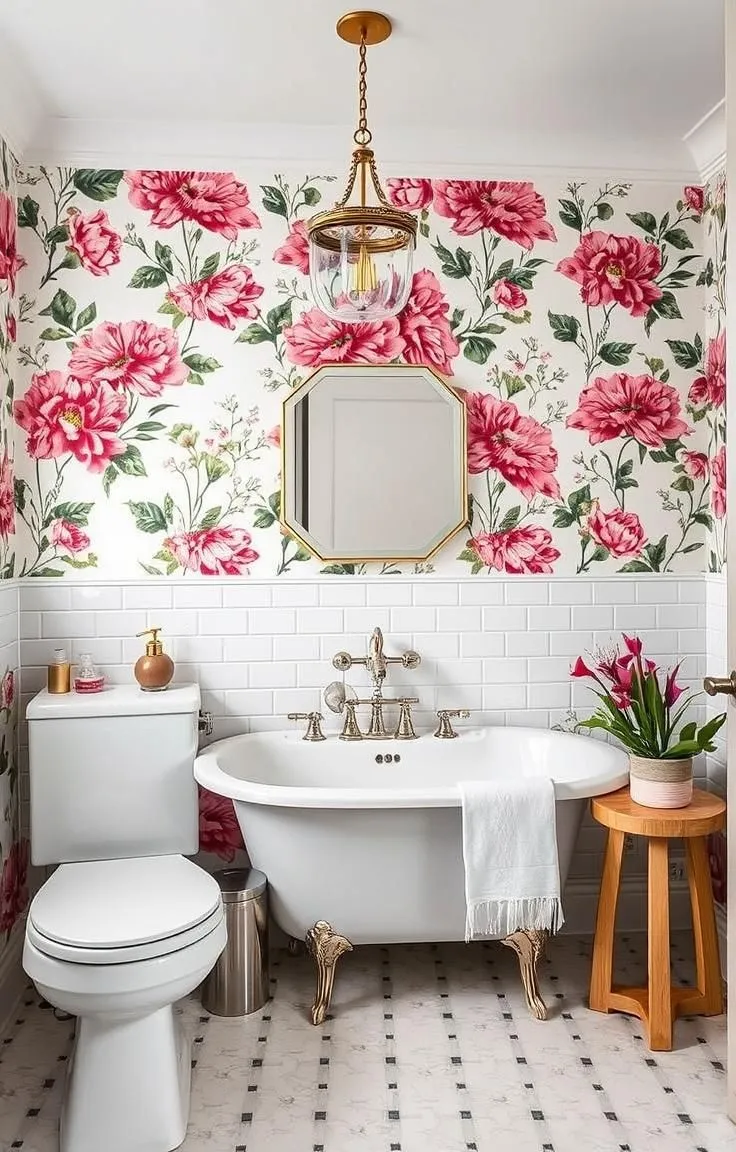
Big, expressive, and slightly wild floral wallpaper is pure 70s joy. We’re not talking about tiny, delicate botanicals. We mean large-scale poppies, daisies, and stylized natural scenes in vibrant oranges, yellows, and browns.
Now, wallpaper in a bathroom can be tricky, so look for “paste-the-wall” vinyl or water-resistant options specifically for high-humidity areas. A feature wall behind the vanity or toilet is the perfect place for this. It adds incredible character and feels like a custom piece of art. Check out brands like Hygge & West for modern prints with a clear retro influence.
Use Teak Wood for Vanities and Shelving
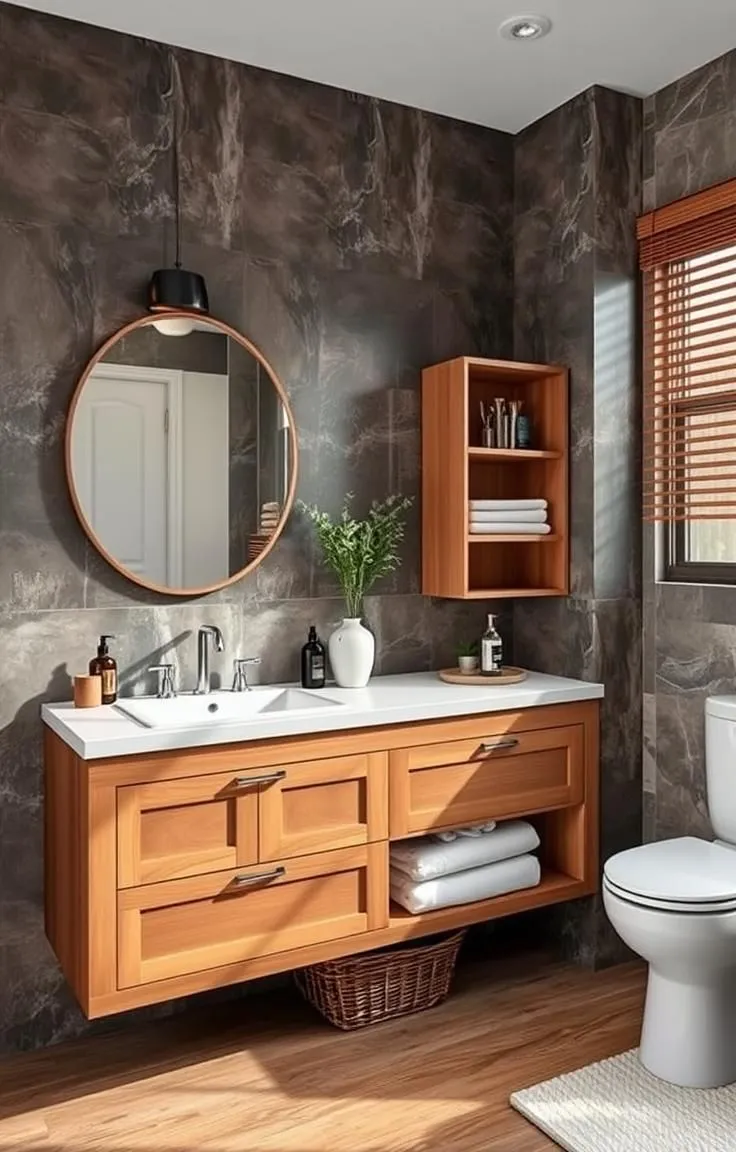
The 70s leaned heavily on natural materials, and teak was a favorite for its durability and warm, rich color. Its natural oils make it uniquely resistant to water, which is probably why you still see vintage teak furniture in perfect condition. It’s a perfect material for a bathroom.
A floating teak vanity is a classic choice that feels both retro and spa-like. If a new vanity isn’t in the budget, try adding simple teak floating shelves above the toilet. You can style them with amber glass jars and a few small plants for a look that’s both functional and stylish.
Incorporate Natural Wood Paneling
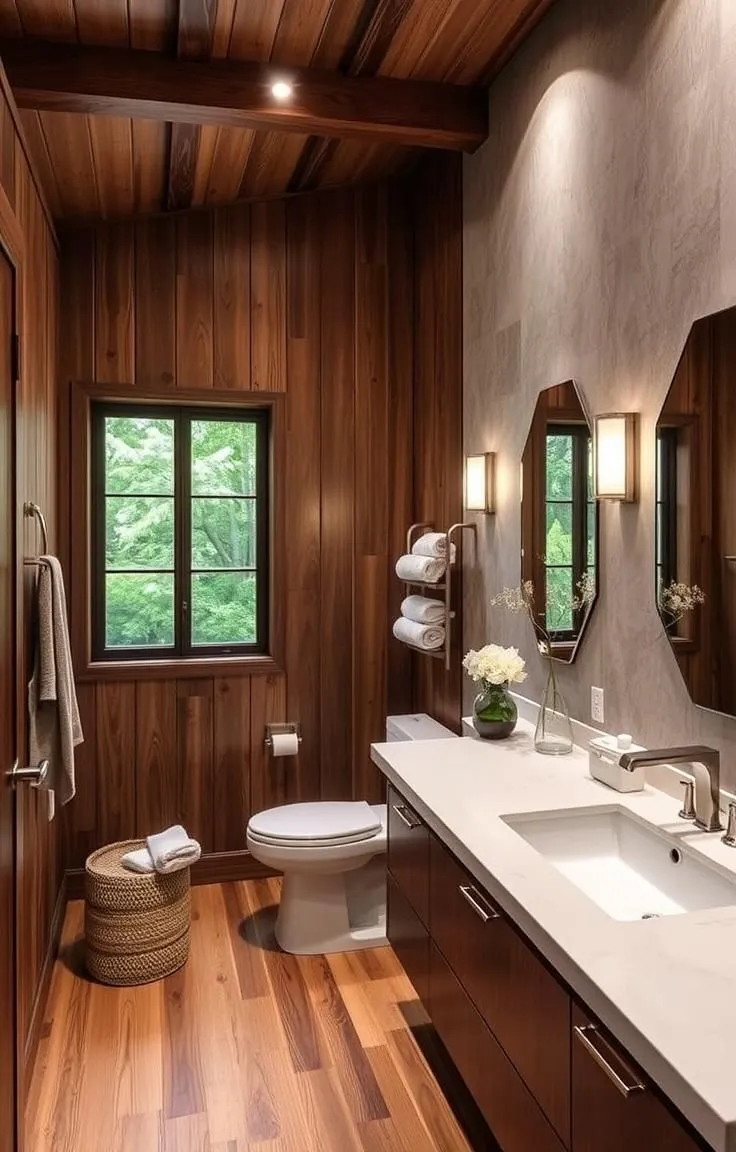
Okay, stay with me here. I’m not talking about the cheap, fake-looking sheets from a basement rec room. I’m talking about real, high-quality wood paneling used thoughtfully. Skinny vertical slats or a feature wall of warm walnut can add incredible architectural depth.
In my experience, the trick is to use it sparingly and with intention. A single wall behind the mirror and vanity, for example, can create a warm, organic focal point. Make sure it’s properly sealed for a humid environment. It’s a look that’s coming back in a big way in high-end design.
Get Groovy with Mushroom Decor
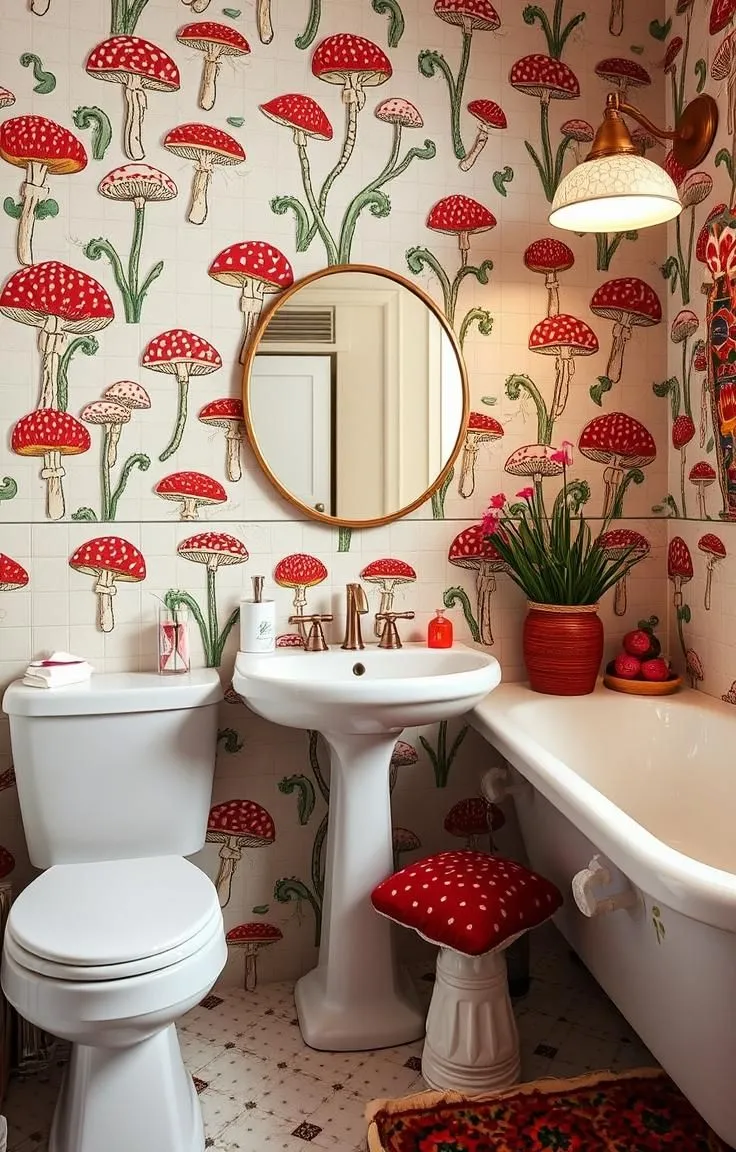
The mushroom motif was a whimsical, earthy symbol of the decade, appearing on everything from wallpaper to canister sets. It’s a playful nod to nature that doesn’t take itself too seriously. It’s about adding a little bit of fun.
You don’t have to go overboard. A small, framed art print of vintage botanical mushrooms is a simple touch. I’ve also seen some really cool mushroom-shaped lamps that would look great on a bathroom counter or shelf. It’s a small detail that shows you have a sense of humor about your decor.
Light It Up with Globe Sconces
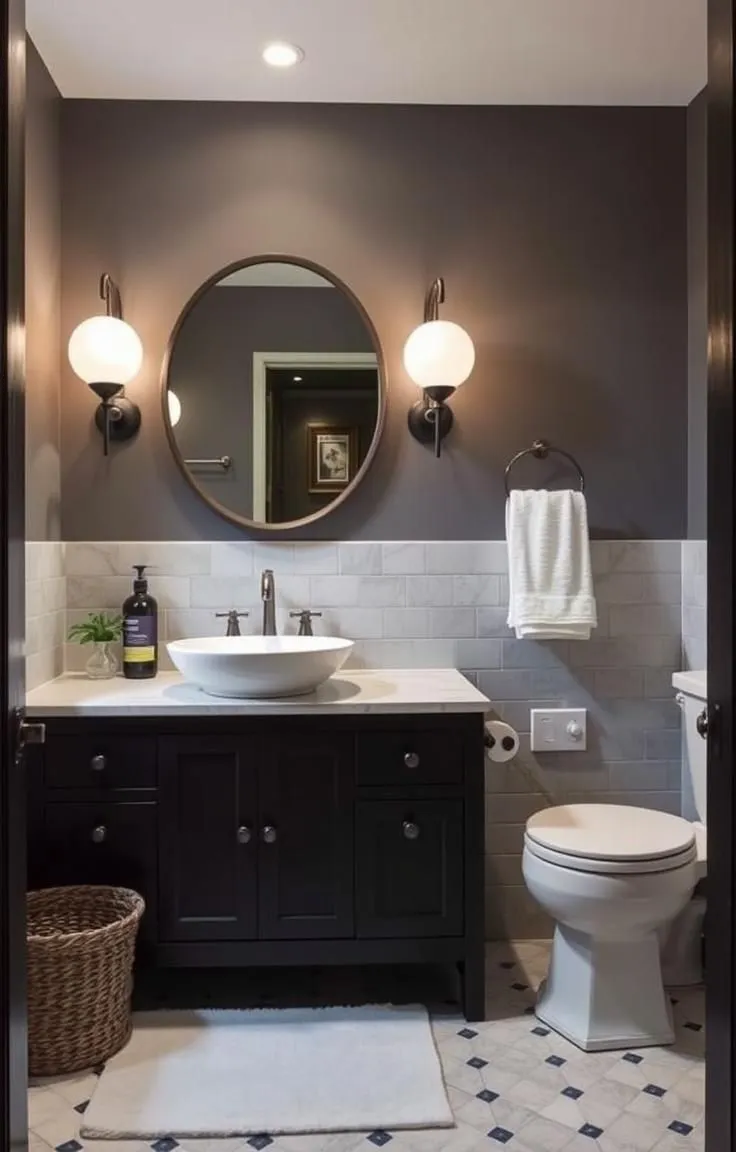
Lighting in the 70s was all about simple, clean shapes, and the globe was king. You’d see them as single pendants, in clusters, or most commonly, as sconces flanking a bathroom mirror. The bare bulb look, but make it chic.
This is one of the easiest and most effective swaps you can make. A pair of simple globe sconces—either clear or opal glass—with brass or chrome bases instantly sets a retro tone. They provide soft, flattering light and have a timeless look that works with many styles. You can find great options at stores like West Elm or even Home Depot for around $70-$150.
Hang Macrame Plant Hangers
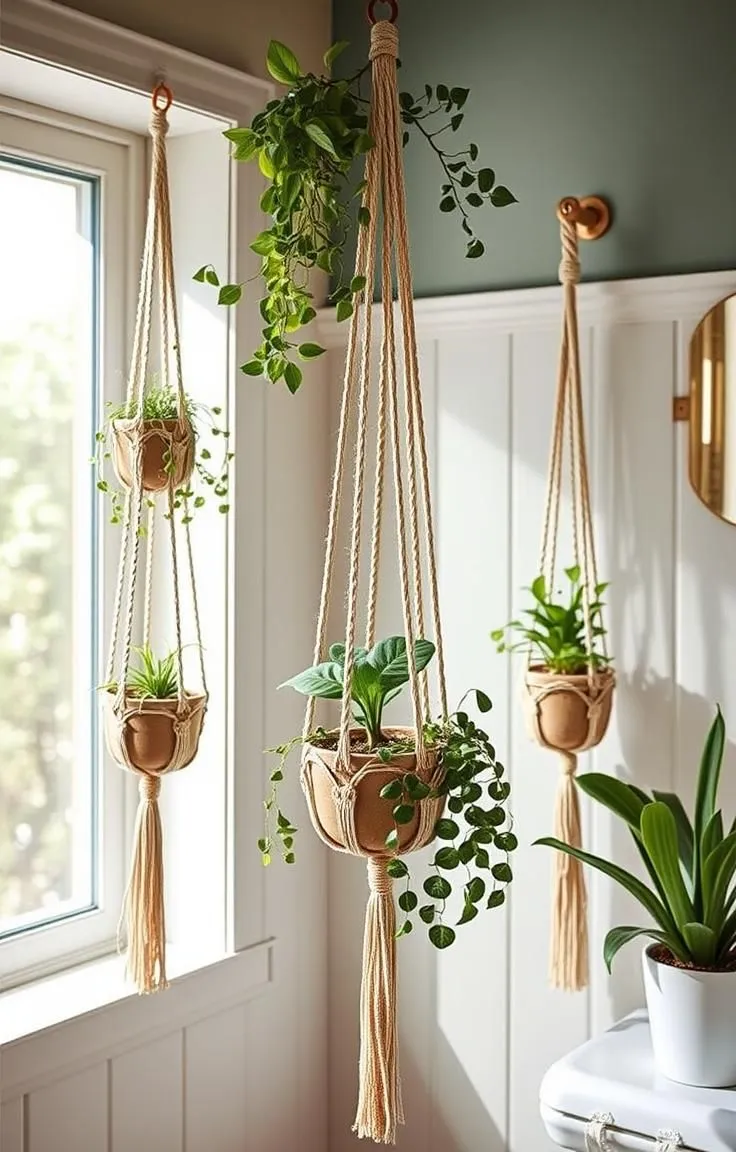
Macrame brought texture and a handmade touch to 70s interiors. A knotted plant hanger is a simple, iconic piece of decor from the era that feels just as right today. It’s all about bringing plants and natural fibers into the space.
Your bathroom is actually a great spot for certain plants that love humidity, like ferns or pothos. Hang a macrame holder in a corner near a window. It draws the eye upward, adds a touch of green life, and fills an awkward empty space with something beautiful and organic.
Try an Arched Mirror
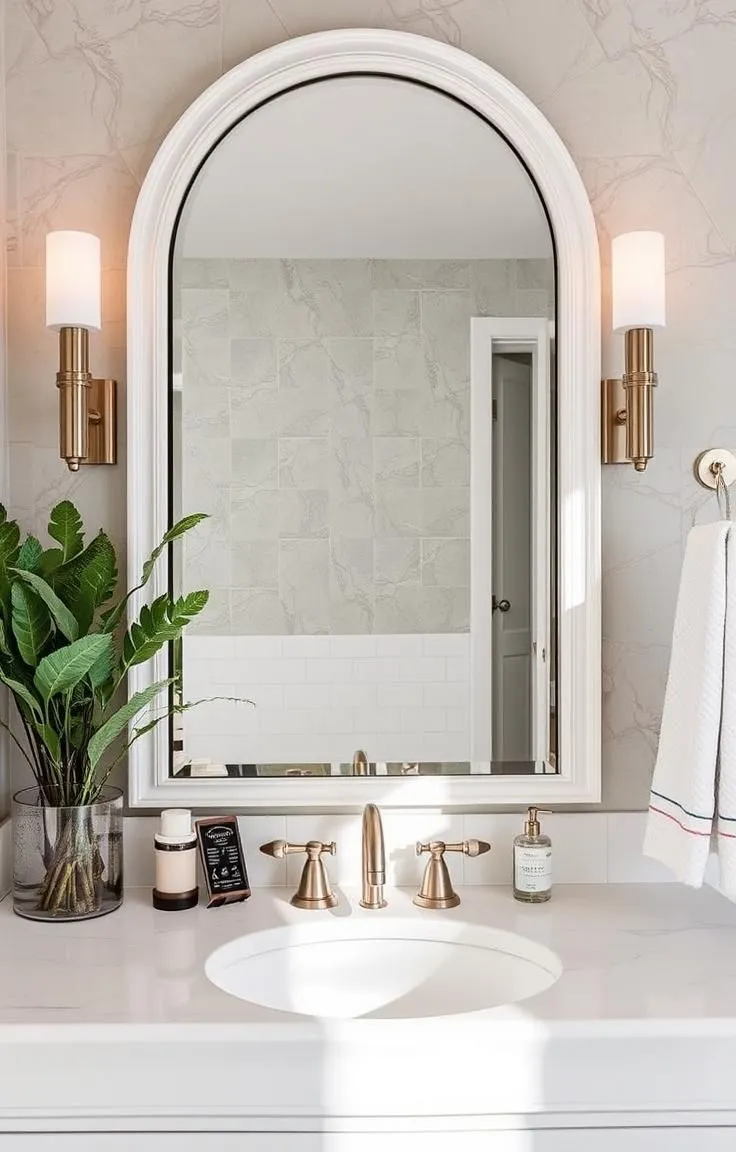
The 70s loved soft curves, and that extended to mirrors. The simple arch or “pill” shape was a popular alternative to the standard rectangular medicine cabinet. It feels softer, more organic, and a little more decorative.
This is a fantastic update for any bathroom, regardless of style. Swapping out a basic builder-grade mirror for a large, metal-framed arched mirror can make the whole room feel more designed and intentional. Look for one with a thin brass or black frame for a clean, modern take on the retro shape.
Install a Sunken Tub (or Fake It)
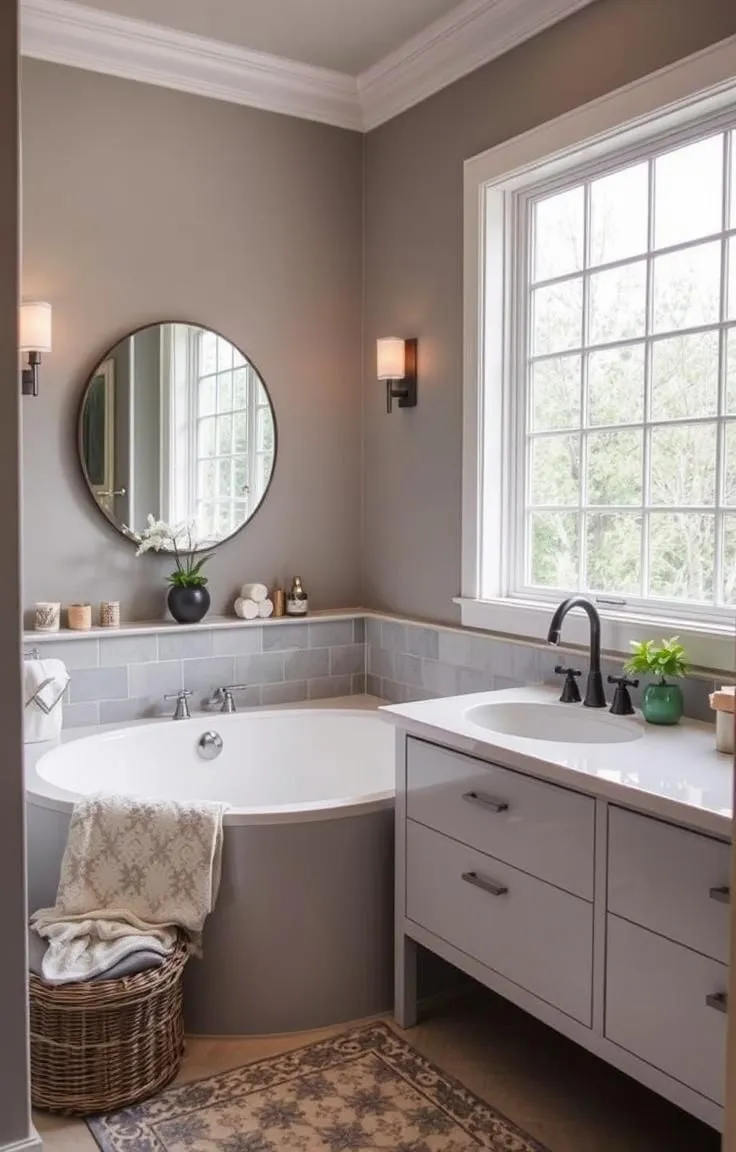
The sunken tub is the absolute peak of luxurious 70s bathroom designs. It was the ultimate statement piece, turning the bathroom into a spa-like lounge. While a true sunken tub is a major renovation, you can get a similar feeling.
Look for deep, Japanese-style soaking tubs or tubs with a low profile that can be set into a tile or wood deck. This creates a “sinking in” feeling without major construction. The idea is to make the tub an integrated feature of the room, not just a standalone fixture. It’s about creating a special spot for relaxing.
Use Wicker and Rattan for Natural Texture
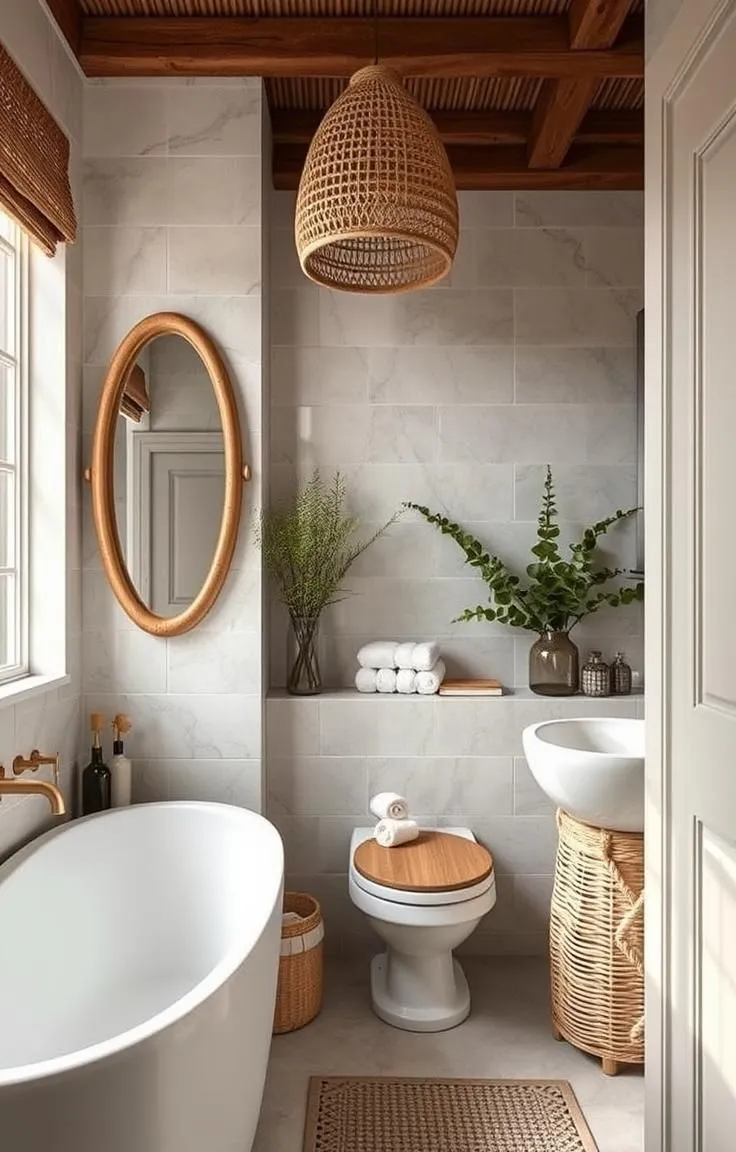
Along with wood and macrame, wicker and rattan were go-to materials for adding natural texture. They’re lightweight, casual, and bring a touch of the outdoors in. This is an easy and affordable way to layer in some 70s style.
Look for a wicker trash can, a rattan-wrapped soap dispenser, or even a small wicker stool to hold a stack of towels. These small touches add up, creating a layered look that feels collected over time. They break up all the hard surfaces like tile and porcelain, adding much-needed softness.
Choose Smoked Glass for a Moody Vibe
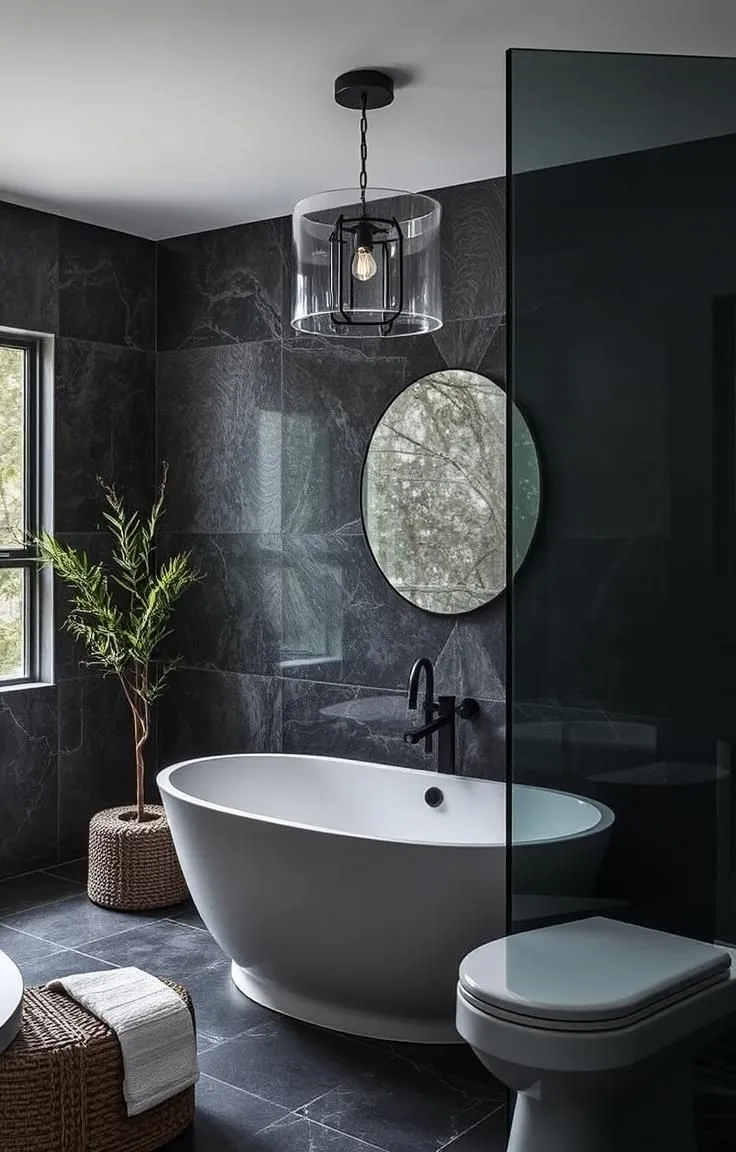
Smoked glass, in shades of gray or bronze, was a chic and moody material used for everything from coffee tables to shower doors. It provides a bit of privacy while still letting light through, and it just feels a little bit mysterious and cool.
A fixed panel of bronze-tinted glass for a walk-in shower is a show-stopping modern interpretation. For a much smaller dose of the trend, look for smoked glass accessories like a canister set for the countertop or a soap dish. It’s a nice alternative to clear glass and adds a touch of vintage glamour.
Lay Down a Modern Shag Rug
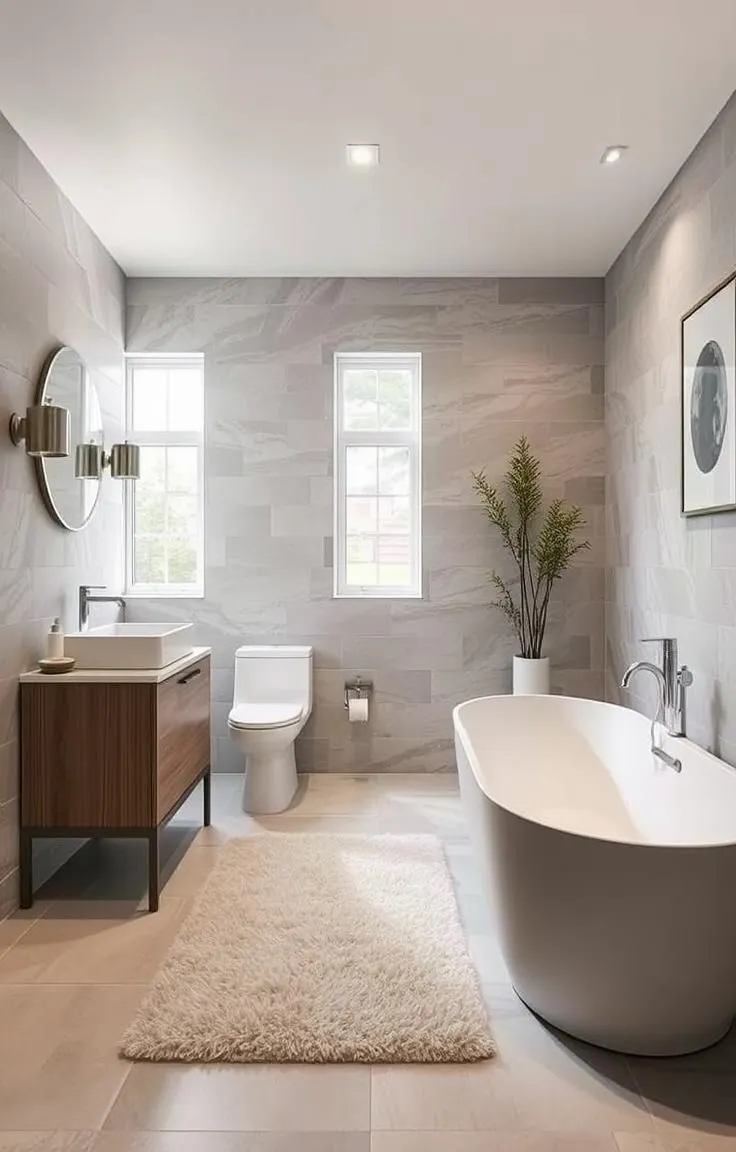
Let’s clear the air: wall-to-wall bathroom carpeting is a bad idea. But a small, plush shag rug? That’s a different story. The 70s were all about texture underfoot, and a soft rug makes a bathroom feel so much cozier.
The key is to choose a modern, washable version. Look for bath mats with a high pile or a shaggy texture in a fun color like rust orange or olive green. Ruggable even makes two-part washable shag rugs. It gives you that soft, retro texture without the 70s-era hygiene concerns.
Opt for Classic Chrome Fixtures
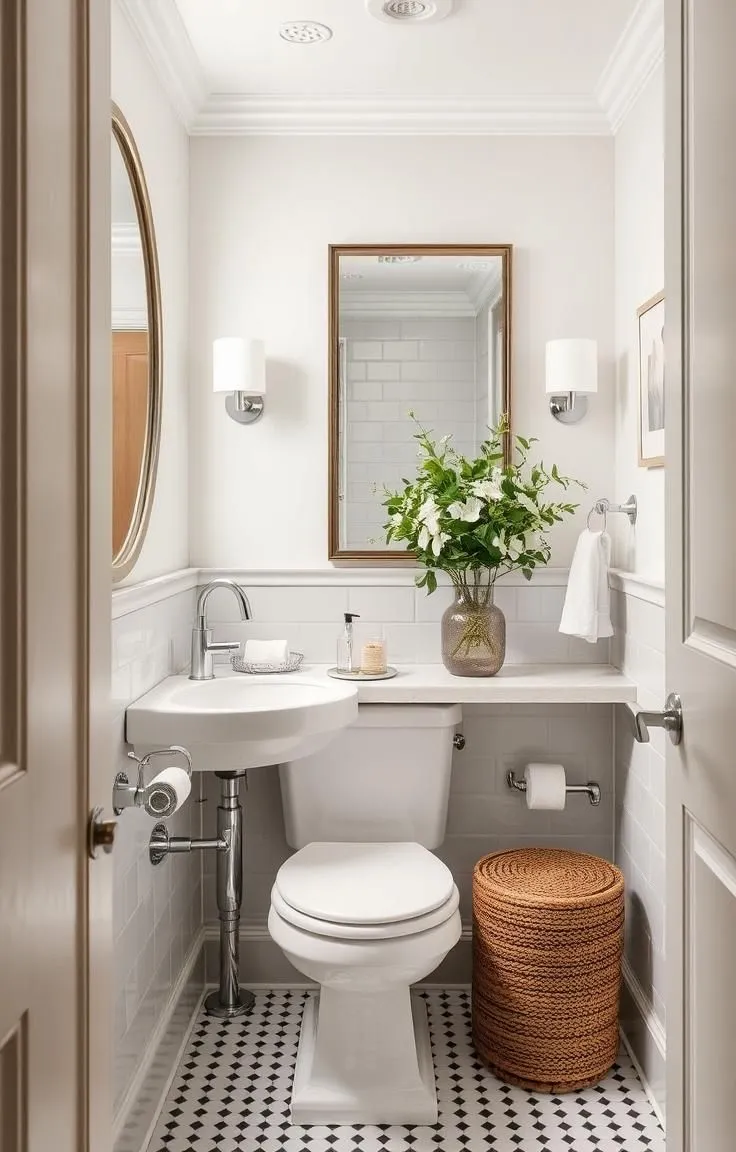
While brass and gold are having a moment, don’t forget about chrome. Polished chrome was the standard in the 70s, and its clean, reflective surface pairs perfectly with the decade’s bold colors and wood tones. It’s a no-fuss, classic finish.
If you’re using bright colors like avocado green or harvest gold, chrome fixtures can provide a cool, sleek contrast that keeps the space from feeling too heavy. Plus, chrome is often more affordable than other finishes. It’s a practical choice that happens to be historically accurate.
Bring In Some Funky Lucite or Acrylic
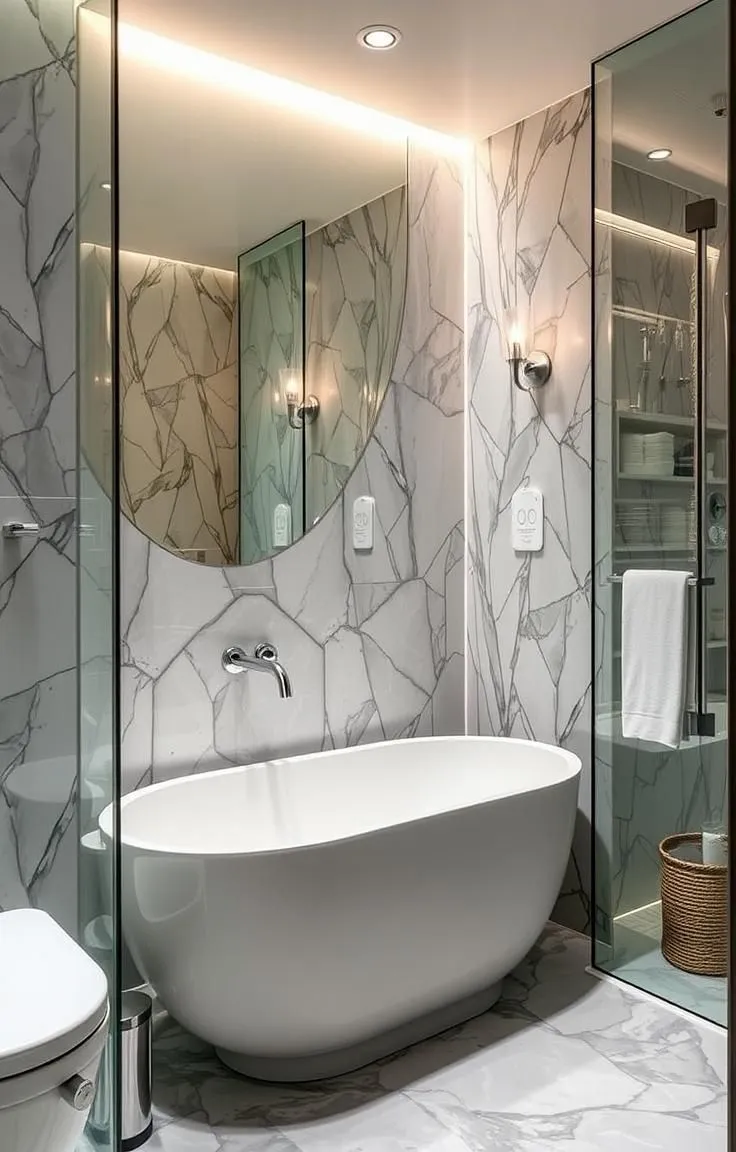
Lucite and acrylic were the futuristic materials of the moment in the 70s. This clear plastic was used to make everything from chair frames to towel bars, and it has a light, almost invisible quality that keeps a space from feeling cluttered.
This is a fun material to play with in a bathroom. Look for a lucite tray to organize items on your countertop, or find a vintage-style towel ring made of clear acrylic. It adds a touch of glam and a bit of a space-age feel that’s quintessentially 70s.
Try Terrazzo on Floors or Walls
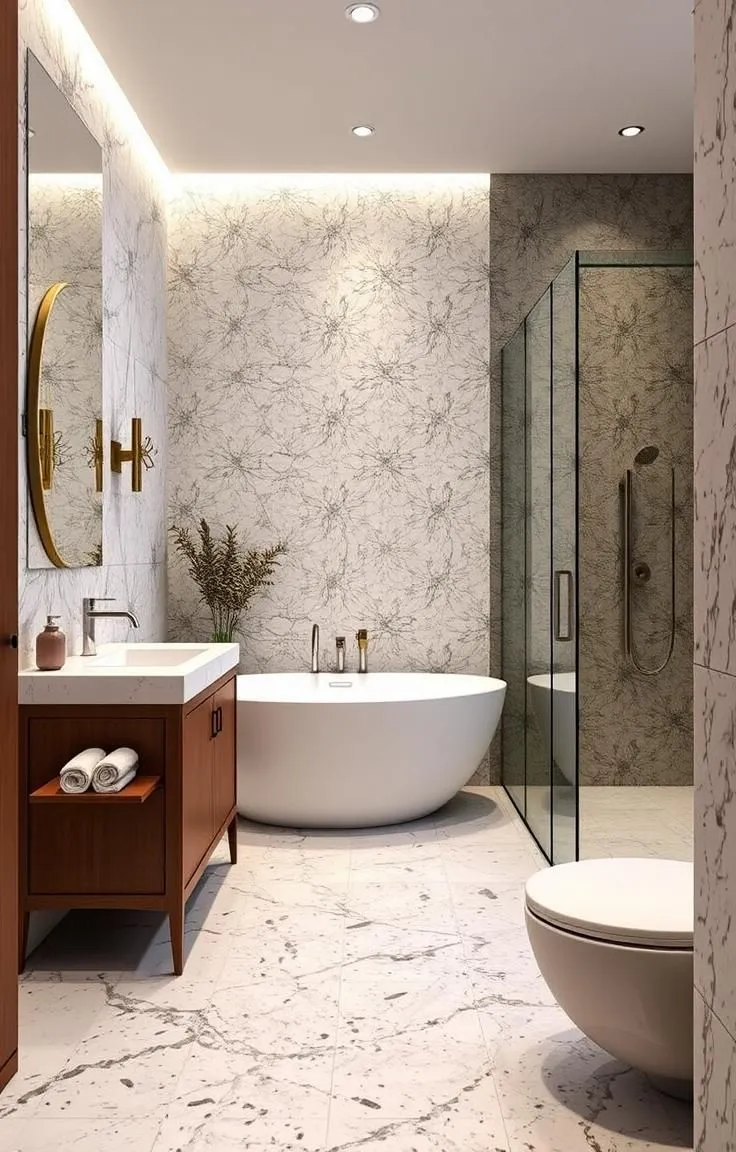
Terrazzo, a composite material with chips of marble, quartz, or glass, was a durable and stylish choice for 70s floors. It has a playful, speckled look that hides dirt well and adds a ton of visual texture. It was a staple of mid-century and 70s design.
Today, you can get terrazzo in a huge range of colors, from neutral to bold. There are also amazing porcelain tiles that mimic the look of terrazzo perfectly, making it easier and more affordable to install. A terrazzo floor is a perfect foundation for a 70s bathroom design.
Play with Patterned Vinyl Flooring
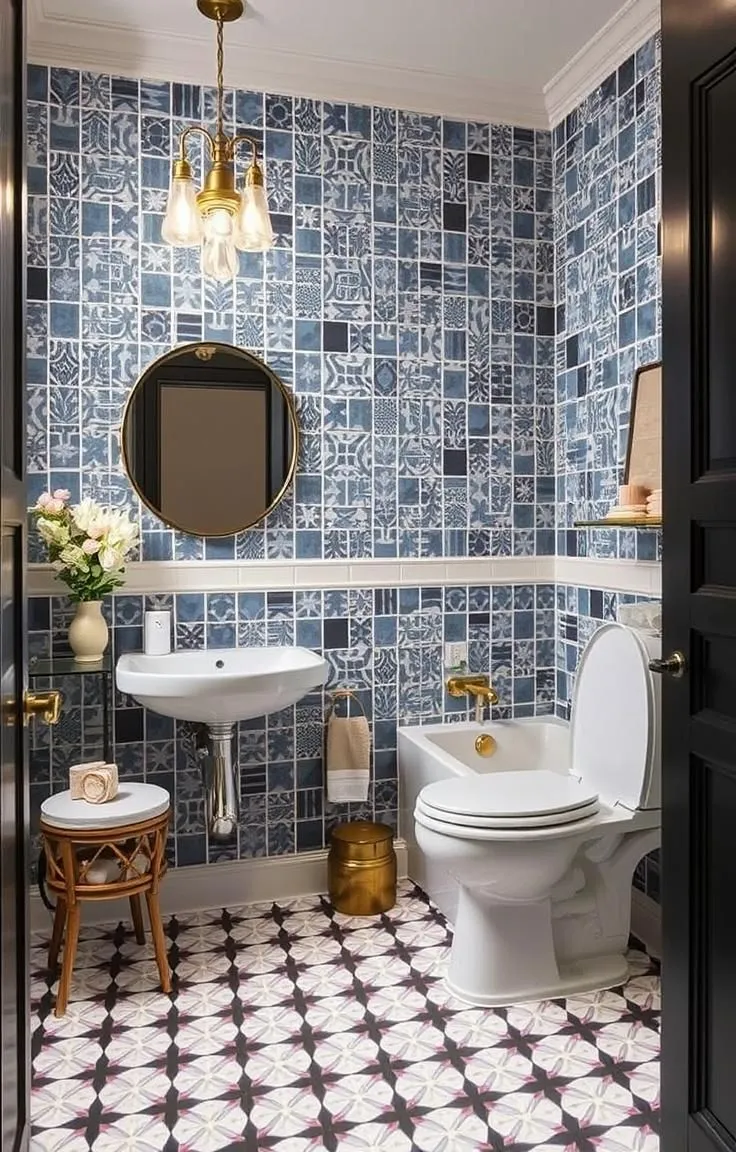
For a budget-friendly and water-resistant flooring option, vinyl was the answer in the 70s. It came in a huge array of colors and patterns, often mimicking tile or sporting bold geometric designs. It was practical and fun.
Modern luxury vinyl tile (LVT) is a fantastic product. It’s durable, 100% waterproof, and the design possibilities are endless. Look for sheet vinyl or tiles with a retro geometric print in an earthy color palette. It’s a great way to get a high-impact floor without the cost and labor of tile.
Add a Statement Sunburst Mirror
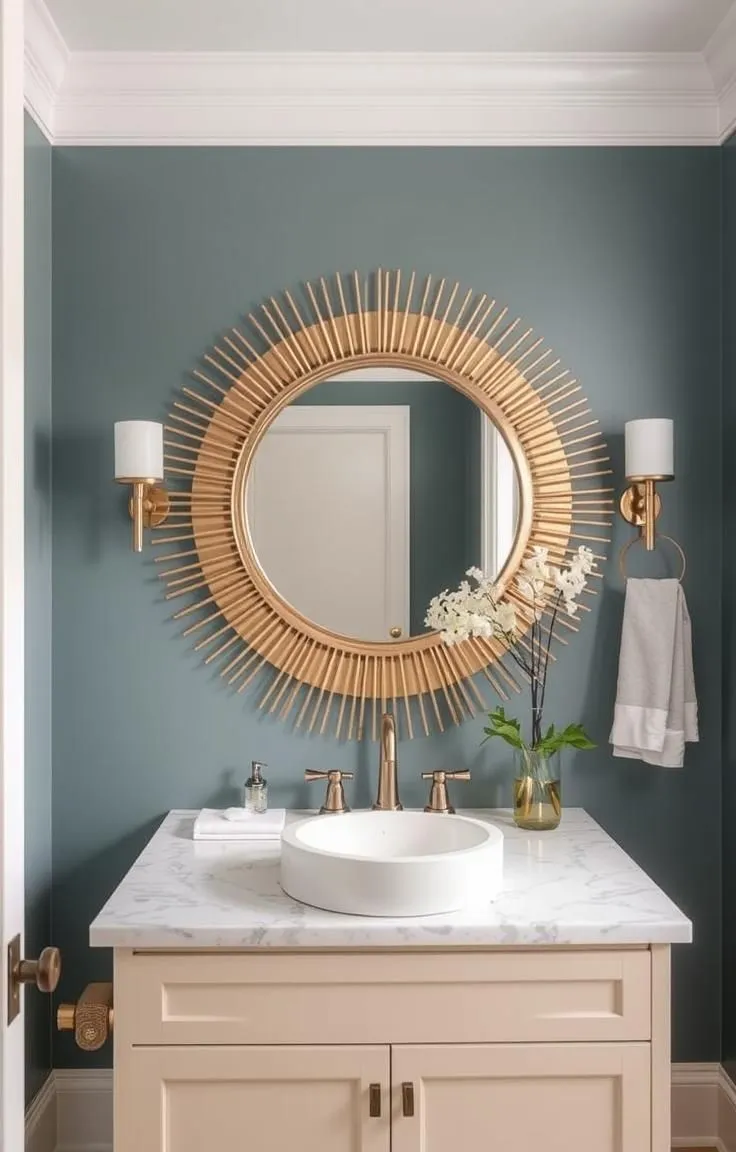
The sunburst mirror is more of a mid-century staple, but its popularity continued right through the 70s. It’s a sculptural, decorative piece that acts as both a mirror and a piece of wall art. It just radiates energy.
This is a great choice for a smaller powder room where you want one standout piece. A large, gold or brass sunburst mirror above the sink makes a dramatic statement. It feels glamorous, a little bit funky, and completely confident.
Get Tactile with Textured Walls
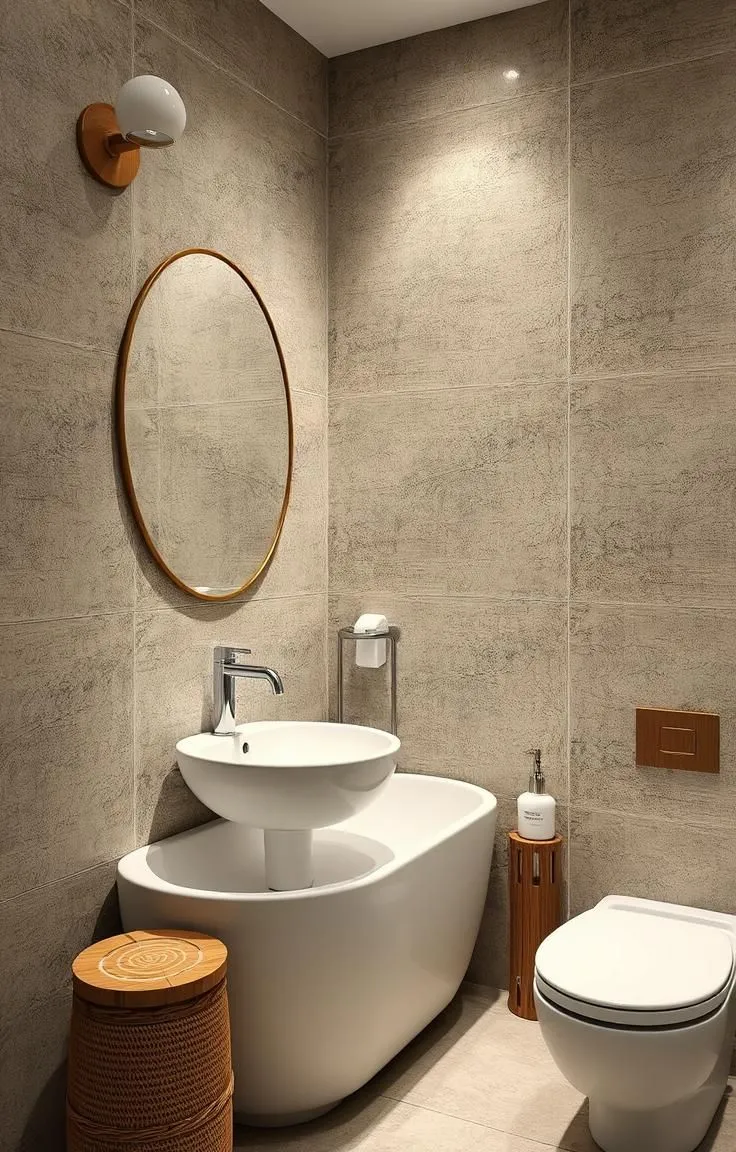
Smooth, flat drywall wasn’t always the goal. Textured walls, whether from heavy trowel applications of plaster or textured wallpaper like grasscloth, were common. It was all about adding depth and a handmade feel to the surfaces of a room.
Grasscloth wallpaper is a great way to get this look. It’s made from natural fibers and adds incredible warmth and texture. Be sure to use it on a wall that won’t get splashed directly with water. It pairs beautifully with wood tones and plants.
Lean into Round Edges and Curves
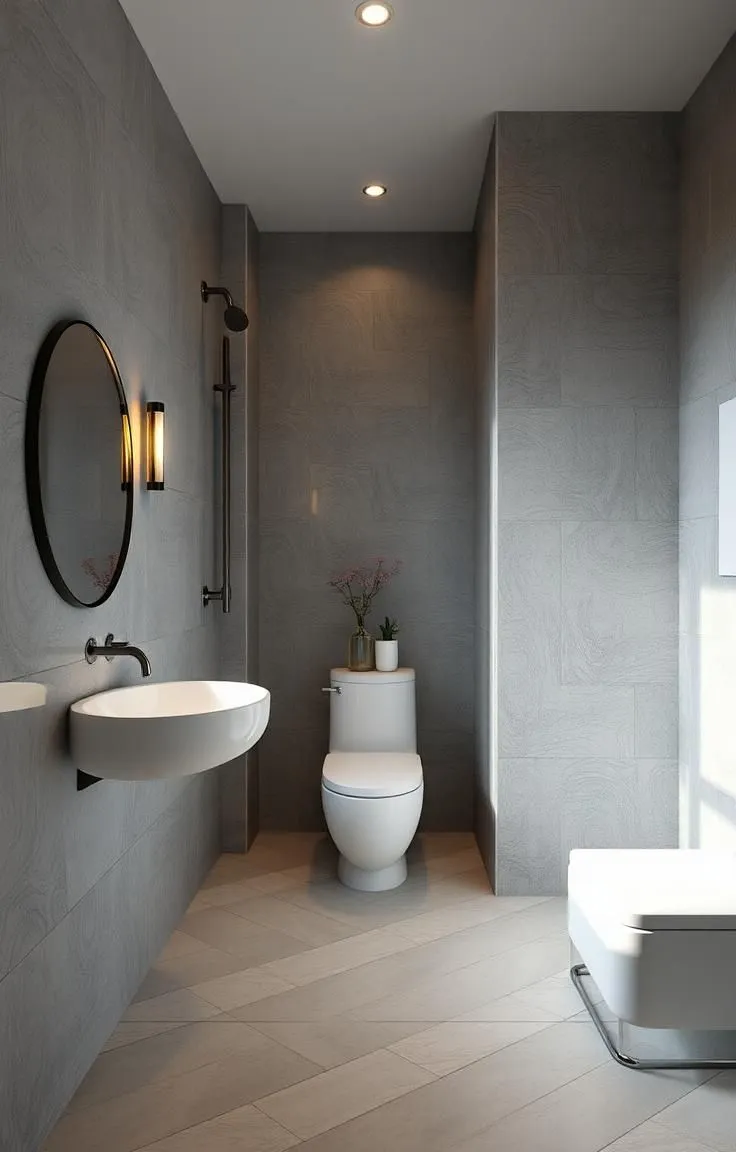
Sharp angles were out; soft curves were in. From arched doorways to rounded vanity corners and circular windows, the 70s loved a gentle curve. It makes a space feel softer, more welcoming, and less rigid.
You can bring this into your bathroom easily. We already mentioned arched mirrors, but also look for faucets with curved spouts, rounded hardware for your cabinets, or even a vanity with a curved front. These subtle details contribute to an overall softer, more relaxed feel.
Hang a Colorful Fabric Shower Curtain
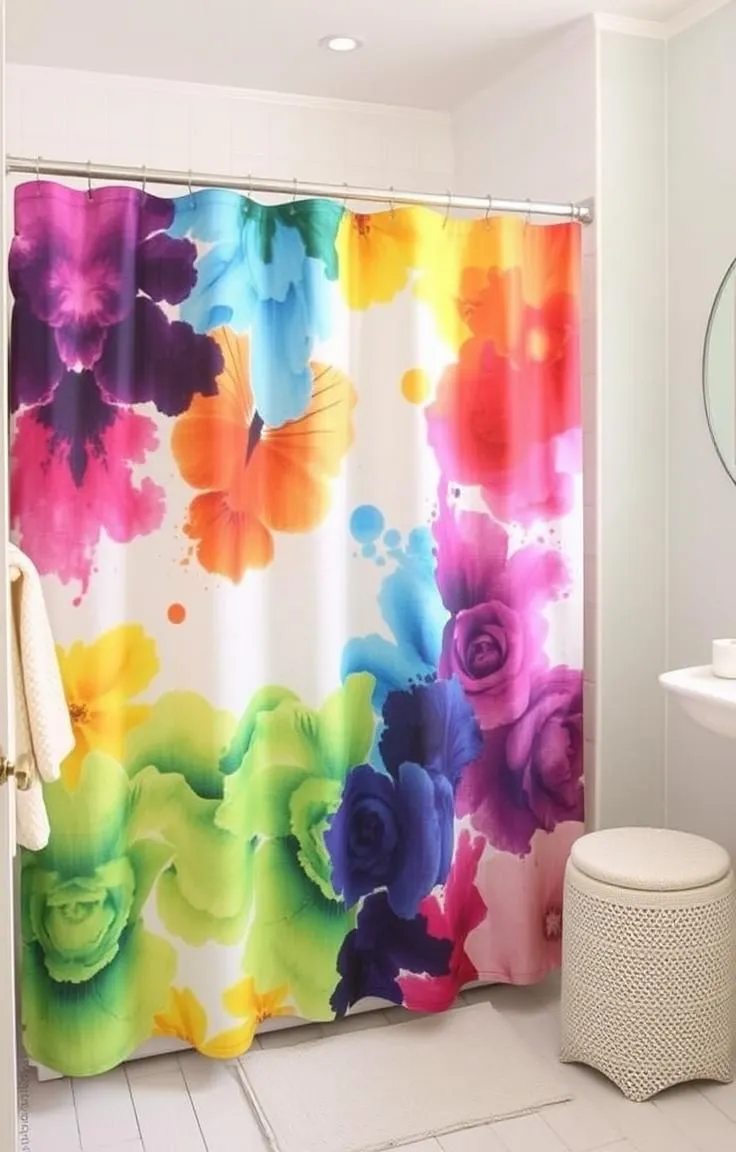
Here’s an easy one. The shower curtain is a huge piece of visual real estate in a bathroom. A plain white one is fine, but a curtain with a bold, 70s-inspired pattern is a fantastic way to instantly set the mood without any permanent changes.
Look for patterns with big, stylized flowers, geometric shapes, or abstract swoops in a classic 70s palette of orange, brown, and gold. It’s a low-cost, high-impact update you can do in five minutes. Pair it with a new bath mat in a coordinating color and you’ve got a mini-makeover.
Choose a Vanity with Cane or Rattan Doors
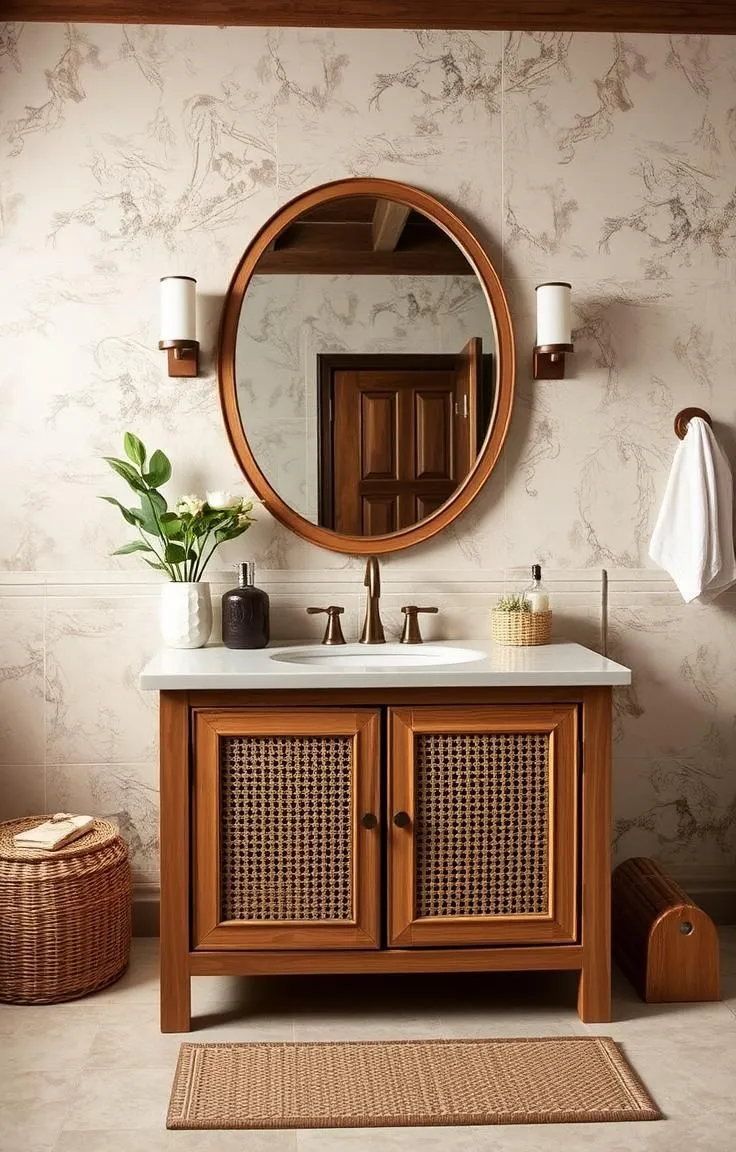
Cane webbing is another one of those 70s textures that is everywhere right now. It’s woven rattan that is often used in cabinet doors. It adds a light, airy texture and feels both retro and coastal.
A vanity with cane-front doors is a perfect anchor piece for a 70s-inspired bathroom. It combines the warmth of wood with the light texture of the caning. If a new vanity is too much, you can often find tutorials online for DIY-ing cane doors for your existing cabinets for a budget-friendly update.
And there you have it! The key to modern 70s bathroom designs is to pick and choose the elements you love. You don’t have to do it all. Maybe you just love the earthy color palette, or perhaps a single arched mirror is enough to give you that retro touch you’re looking for.
Don’t feel pressured to change everything at once. My advice? Start with one or two things that really excite you. Maybe it’s a new set of harvest gold towels and a macrame plant hanger, or maybe you’re ready to go all-in on that avocado green tile. Whatever you choose, have fun with it. A 70s-inspired space is all about warmth, personality, and creating a room that makes you smile.