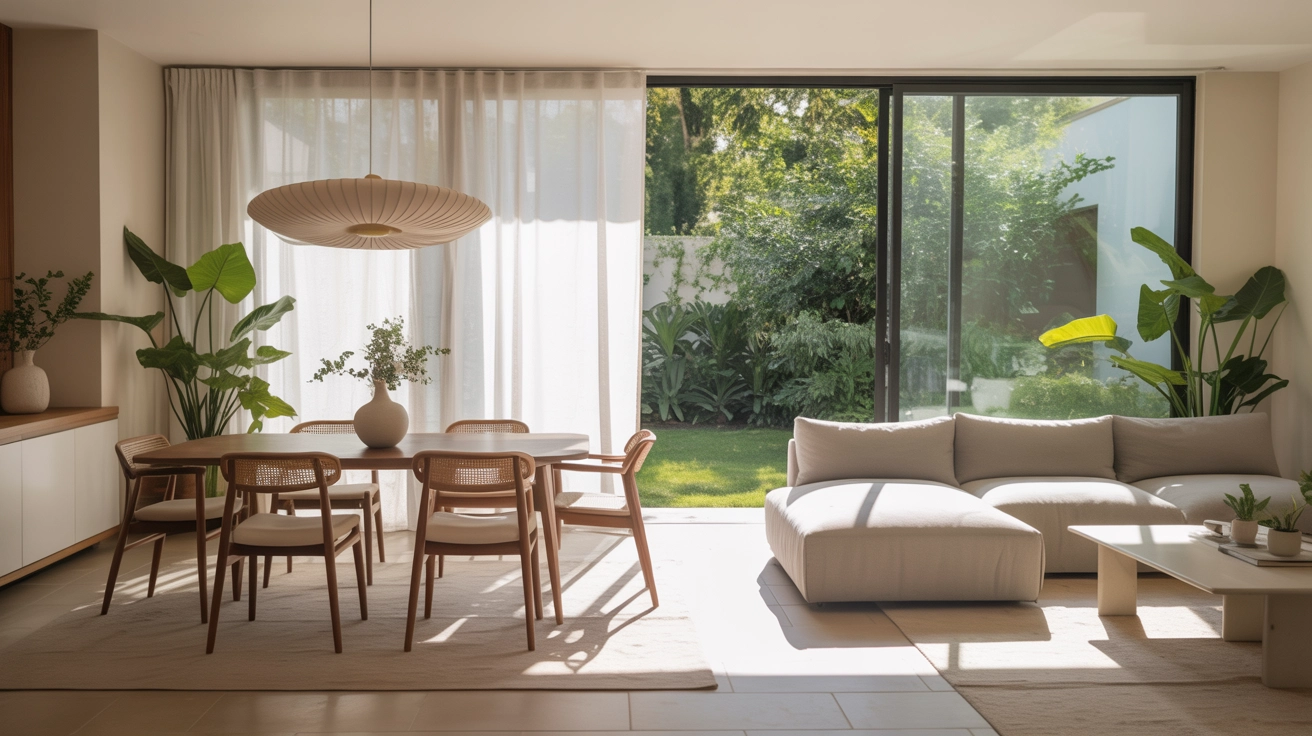
Figuring out the best living and dining room combo ideas can feel like a puzzle, especially in an open-concept home. You’ve got this one big, undefined room, and you need it to be a cozy spot for movie nights and a practical place for dinner parties. How do you make it all work without it feeling cluttered or disjointed? It’s a common challenge, but it’s totally solvable. You don’t need to knock down walls or hire a pricey designer.
The secret is all about creating distinct “zones” that still feel connected and flow together. It’s a balancing act, for sure. You want to define the spaces but also maintain that airy, open feel you love. We’re going to walk through 9 practical, no-fluff ideas—from smart furniture arrangements to clever lighting tricks—that will help you get your open concept living and dining area looking and feeling just right.
Try a Backless Sofa as a Room Divider
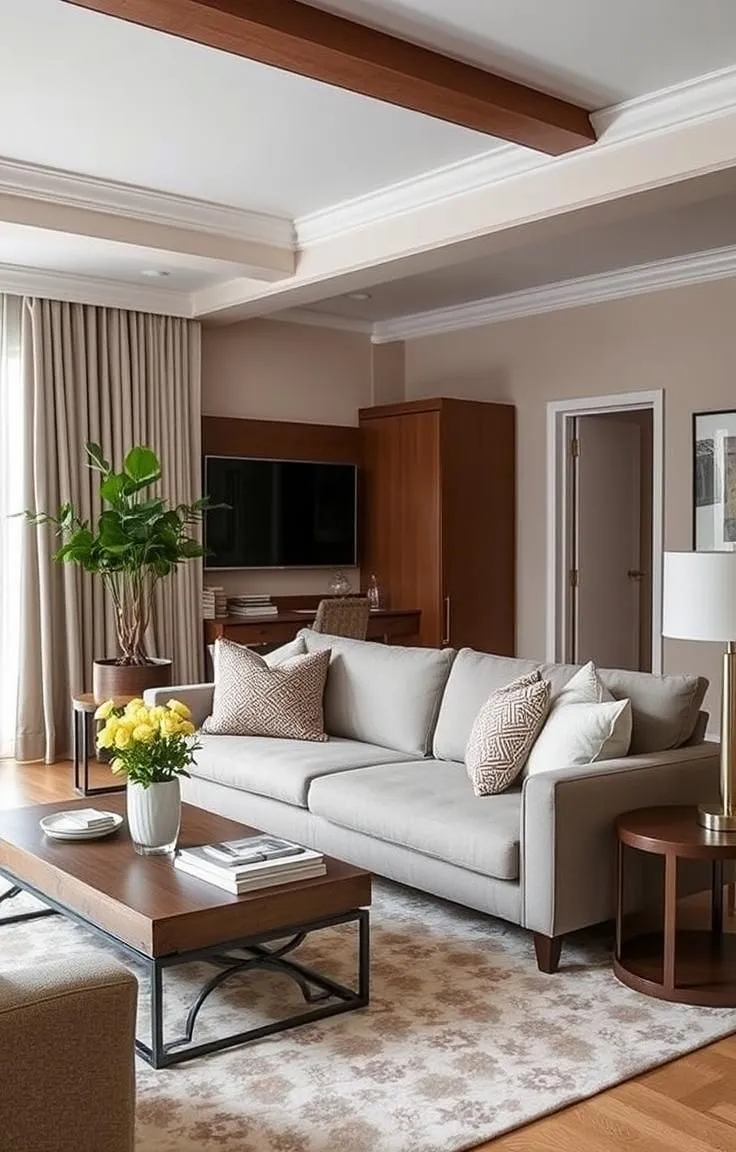
A traditional sofa with a high back can feel like a wall, completely cutting off the two spaces. A backless sofa or a chaise lounge, on the other hand, creates a boundary without blocking the line of sight. It’s a soft divider that keeps the whole room feeling open and connected.
You can place it floating in the middle of the room, with the living area on one side and the dining area on the other. People can even sit on it from either side, making it super functional for parties. A piece like the Ceni Volcanic Gray Sofa from Article (around $1,500) has a low profile that’s perfect for this. It keeps things airy while still doing the job of separating the zones.
Place a Console Table Behind Your Sofa

If a backless sofa isn’t your thing, this is the next best option. Placing a slim console table directly behind your sofa creates a subtle but clear transition from the living space to the dining space. It’s one of the classic furniture arrangement living dining room tricks.
This little landing strip is surprisingly useful. You can put a couple of lamps on it for extra lighting, a bowl to catch keys, or even a few decorative items. It makes the back of your sofa look more finished and intentional. I’ve found that a narrow table, like the IKEA LISTERBY (around $129), works perfectly because it doesn’t eat up too much precious floor space.
Choose a Round Dining Table
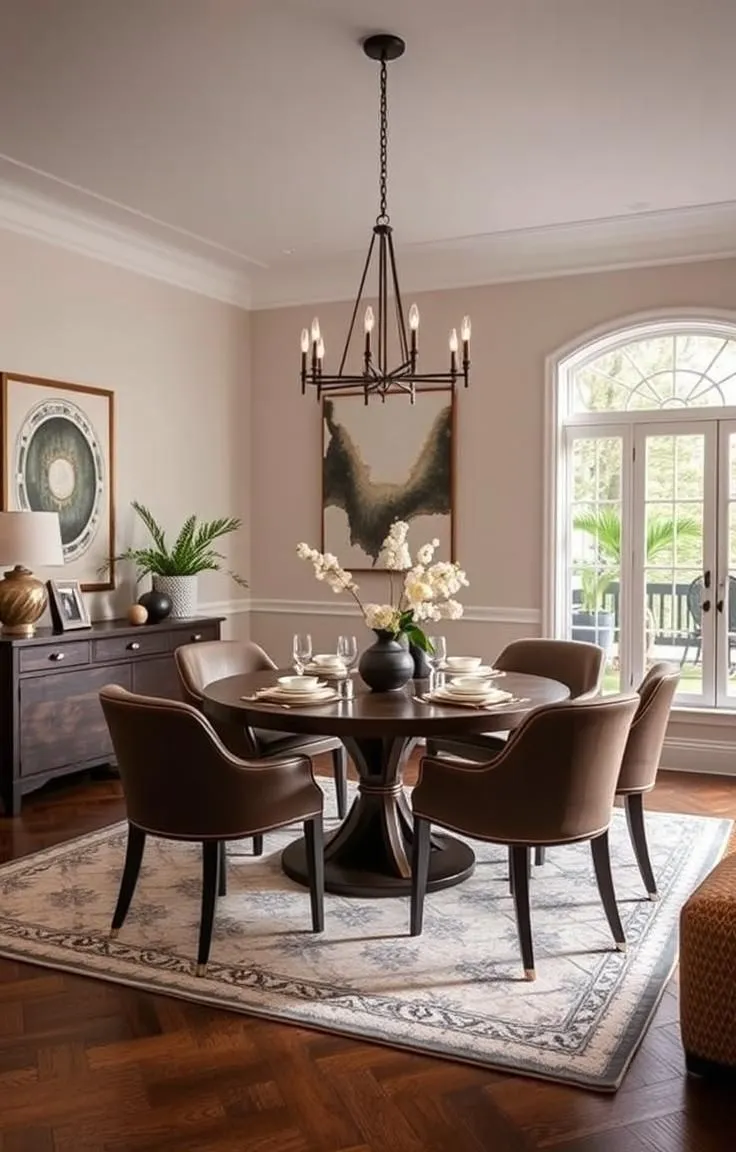
In a tight or awkwardly shaped L-shaped living dining room, a round dining table can be a game-changer. It has no sharp corners, which improves the flow of traffic and makes the space feel less cramped. It’s just easier to walk around.
A round table also feels more conversational and intimate. It’s perfect for small groups and encourages everyone to talk to each other. Plus, they often take up less visual space than a rectangular table of the same seating capacity. Pair it with some less bulky chairs to maximize the effect.
Mirror a Large Wall
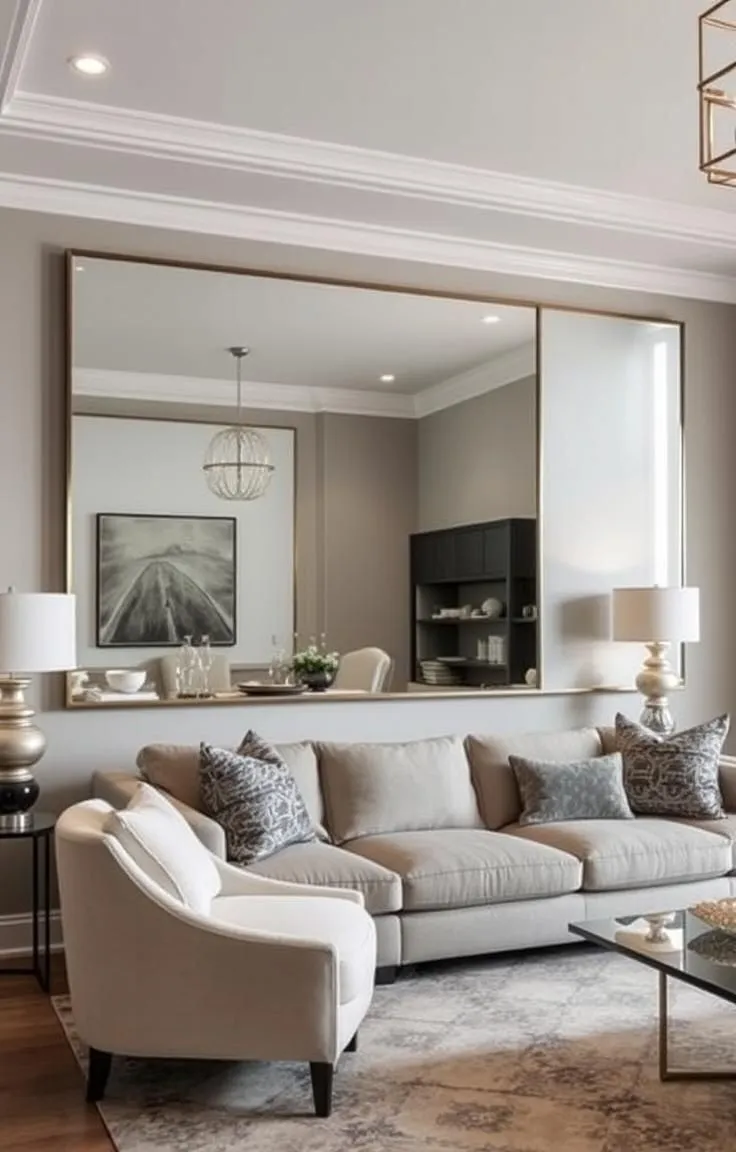
If your living-dining combo feels a bit small or dark, a large mirror is your best friend. Placing a big mirror on one of the main walls—either in the dining or living area—can dramatically change the feel of the space.
A mirror reflects light, making the whole room brighter. It also creates the illusion of depth, tricking the eye into thinking the room is much larger than it is. Try placing it on the wall opposite a window to maximize the amount of natural light you bounce around the room.
Maintain a Consistent Flooring
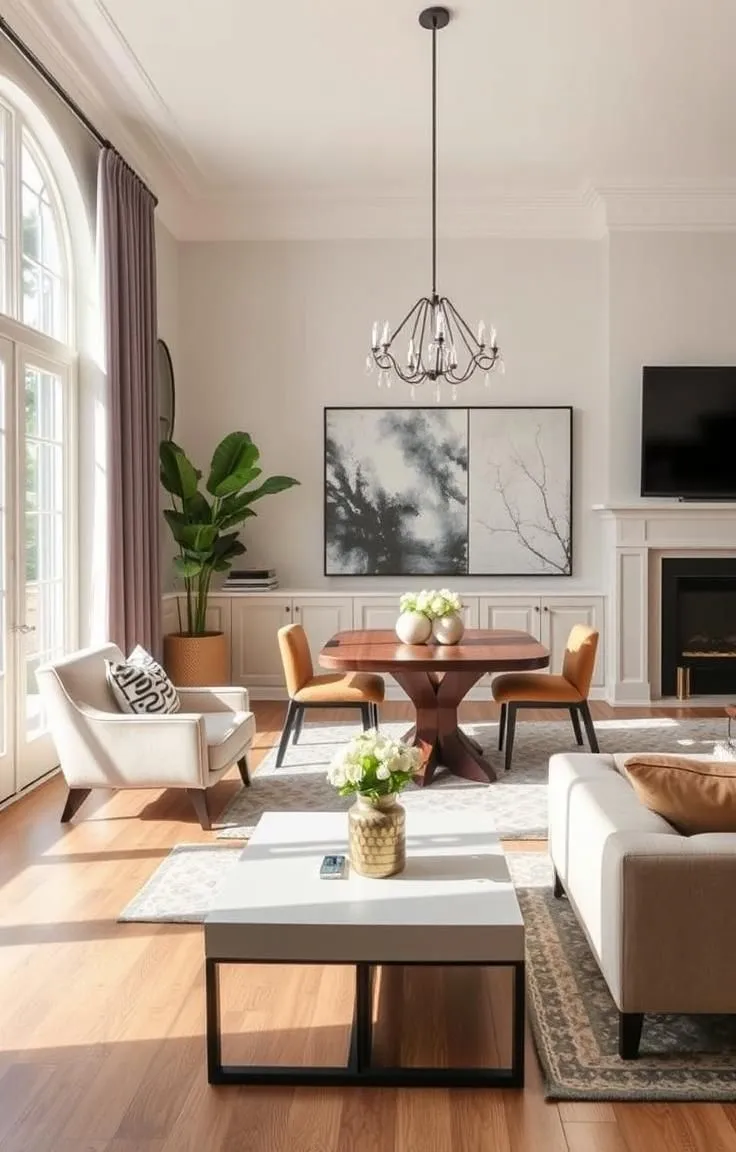
Just like with the windows, having one continuous type of flooring throughout the living and dining space is essential. Different flooring materials, like carpet in the living area and tile in the dining area, will visually chop up the room and make it feel smaller and disconnected.
If you have consistent wood, laminate, or tile floors running through the entire space, it creates a seamless flow. It makes the room feel bigger and more unified. You can then use area rugs to define the separate zones on top of that consistent base.
Use Plants to Create Soft Barriers
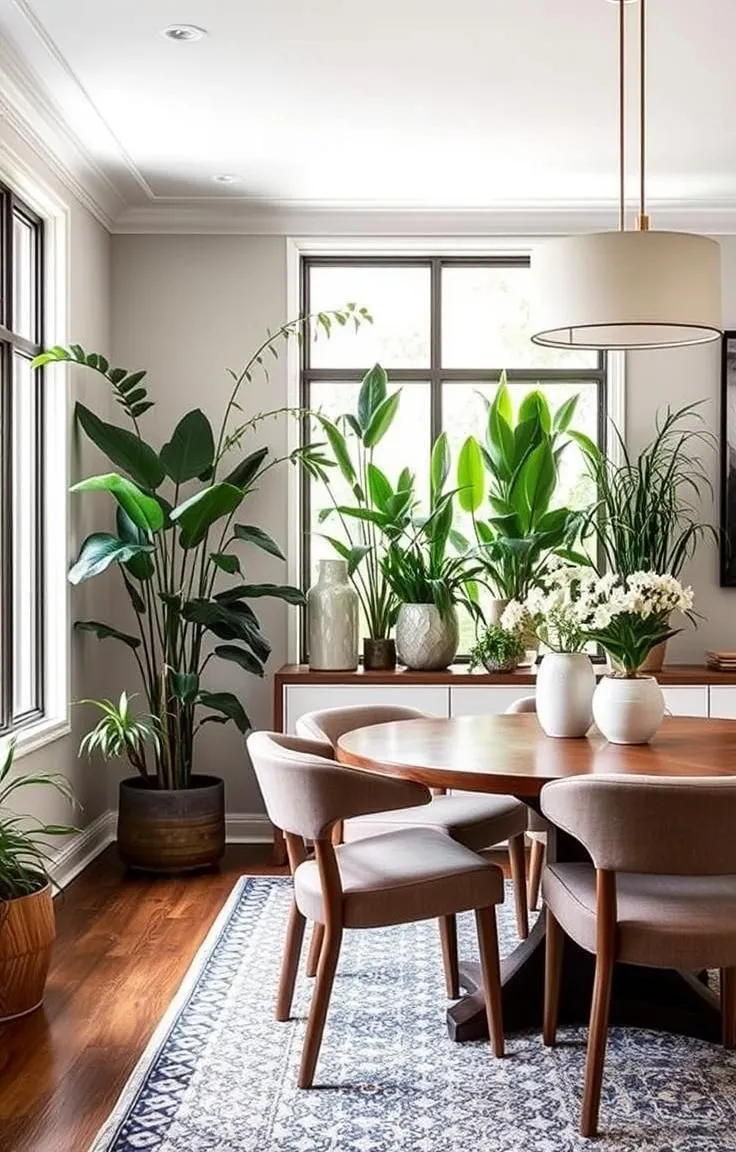
Don’t underestimate the power of plants! A tall plant, like a Fiddle Leaf Fig or a Kentia Palm, placed strategically between the living and dining areas can act as a natural, “living” screen. It adds a touch of green and life while suggesting a separation of space.
You can also group several smaller plants of varying heights on a plant stand to create a similar effect. It’s a much softer and more organic way to divide the room than a piece of furniture. Plus, plants just make every space feel better, don’t they?
Coordinate Your Wood Tones
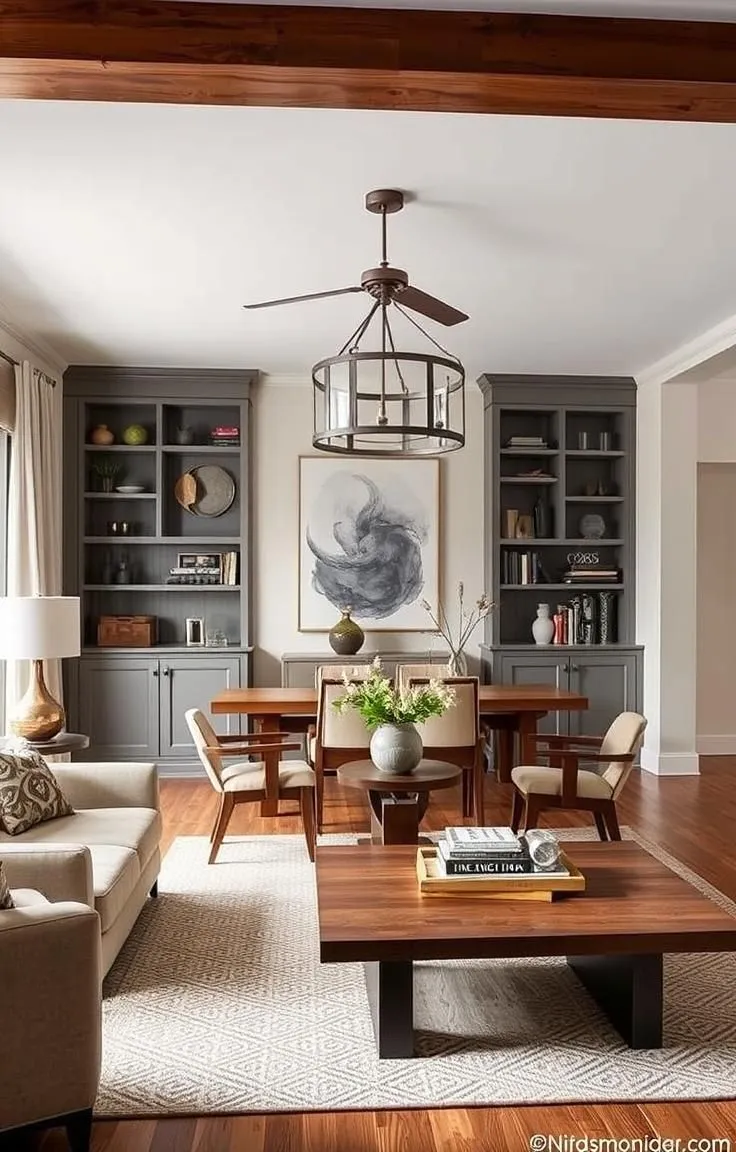
If you have wooden furniture in both your living and dining areas (like a coffee table and a dining table), try to keep the wood tones in the same family. They don’t have to be an exact match, but a warm oak dining table will look better with a warm walnut coffee table than a cool, gray-washed one.
Having wildly different wood finishes can make the space feel chaotic and pieced together. Sticking to a similar undertone (warm, cool, or neutral) helps create that all-important cohesive look that makes an open concept living dining space work.
Paint a Feature Wall in the Dining Area
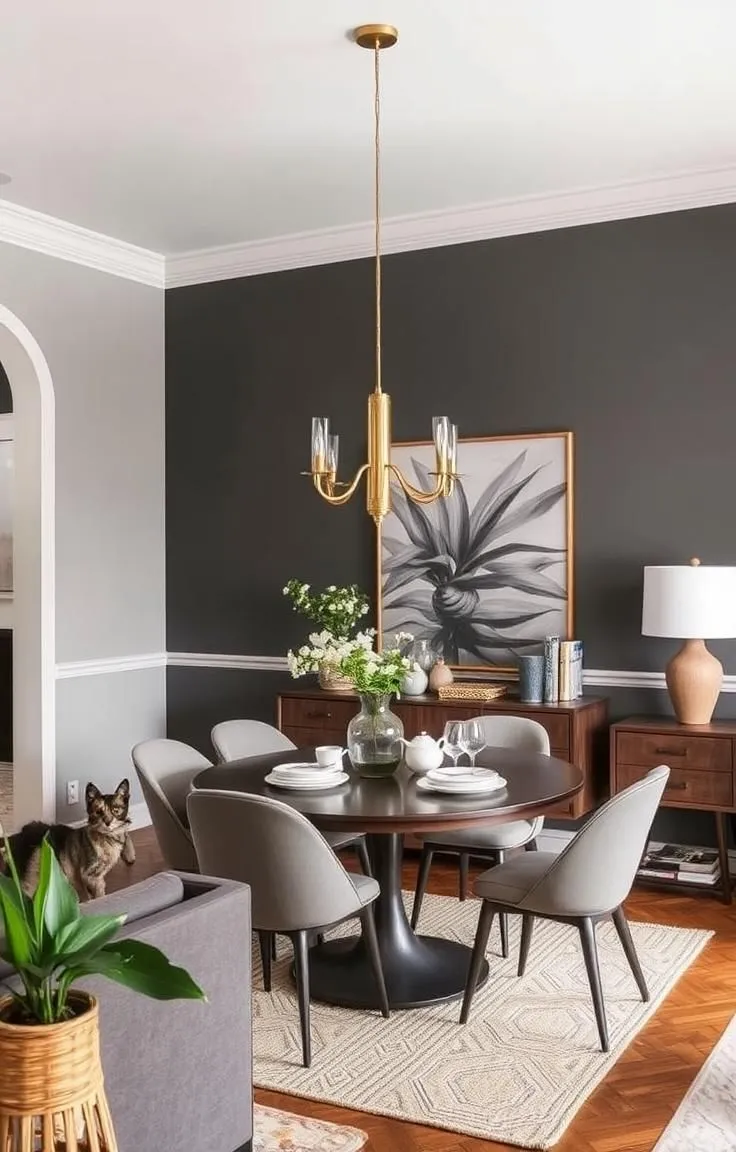
Want a bold way to separate living and dining room areas? Paint an accent wall. Choosing one wall in the dining section and painting it a darker or more dramatic color than the rest of the room instantly sets it apart.
This creates a distinct backdrop for your dining table and light fixture, making it feel like its own special room. Just make sure the color you choose works with the overall color palette you’ve established for the whole space.
Don’t Be Afraid of Negative Space
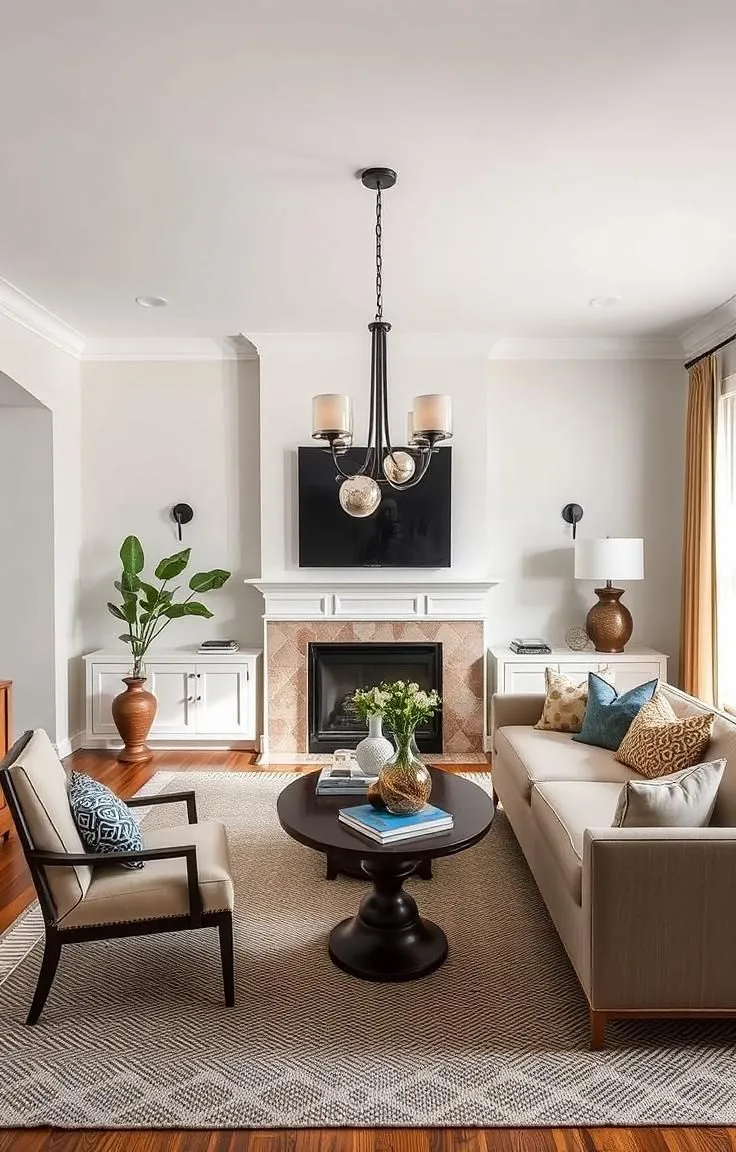
Finally, remember that you don’t have to fill every single inch of the room. “Negative space”—the empty areas around your furniture—is just as important as the furniture itself. It gives your eyes a place to rest and makes the room feel calm and uncluttered.
Resist the urge to add one more chair or another small table. Sometimes, the best thing you can add to your living and dining room combo is a little bit of nothing.
A Final Thought
Okay, that was a lot of ideas! But don’t get overwhelmed. The goal here isn’t to do everything on this list. It’s about finding the few key strategies that will solve the biggest challenges in your specific living and dining room combo. Start small. Pick one or two things that sound like they’d make a big difference—maybe it’s finally buying a properly sized rug or hanging a new light over your dining table. See how that changes the room. Decorating is a process, and creating a space you truly love is always worth the effort. You’ve got this.